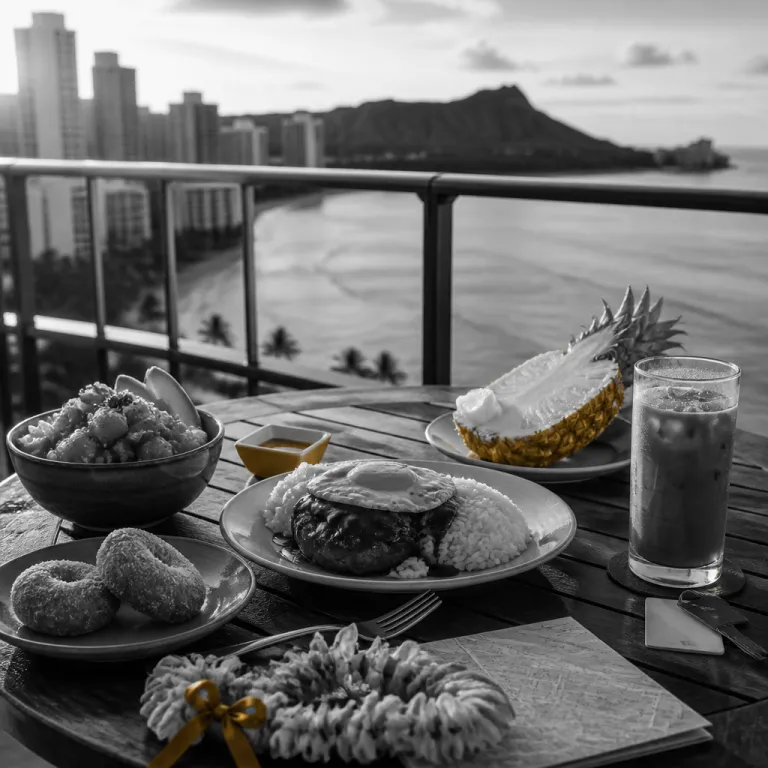
How this honolulu food guide helps you choose the right hotel
Honolulu is one of the rare cities where where you book your hotel can completely shape how and what you eat. For a traveler who cares about food and wants the best access to fresh Hawaiian food, this honolulu food guide focuses on neighbourhoods, walking distances, and realistic travel times across Oahu. Staying in the right area means you can eat excellent plate lunch, poke, garlic shrimp, and shave ice without spending half your holiday in traffic.
Local chefs and food bloggers act as quiet architects of the city’s dining map, and their favorite restaurants tend to cluster around specific corridors such as Waikiki, Kaka‘ako, Ala Moana, and the avenues around downtown and Kapahulu Avenue in Honolulu. When you compare hotels, think less about the lobby and more about how quickly you can reach a shrimp truck, a late night ice cream spot, or a relaxed happy hour with ocean views. This honolulu food guide draws on ongoing culinary exploration across the city, using methods such as dining at recommended restaurants, joining food tours, and exploring local markets to map the most convenient areas for hotel guests.
Honolulu has an estimated 2,200 restaurants spread across the urban core of Oahu, according to counts cited by the Honolulu Department of Planning and Permitting, so location matters if you want to find the best options without long taxi rides. A hotel near Waikiki or Ala Moana places you close to many of the best restaurants for visitors, while Kaka‘ako and downtown give faster access to local plate lunch counters and late night spots. Use this guide as a practical tool to match your hotel choice with the food experiences you most want to eat during your stay.
Waikiki and diamond head: where hotel guests eat from sunrise to late night
Waikiki remains the most popular base for visitors who want to eat well without renting a car. From most Waikiki hotels, such as the Halekulani, Moana Surfrider, or Hilton Hawaiian Village, you can walk 5 to 15 minutes to a wide range of restaurants serving everything from casual plate lunch to refined Hawaiian food that highlights fresh fish, local greens, and island grown fruit. This part of the honolulu food guide focuses on how to use Waikiki and nearby Diamond Head as your all day food corridor.
Morning starts easily with malasadas from Leonard’s Bakery on Kapahulu Avenue, which many hotel guests treat as a favorite ritual before hiking Diamond Head or swimming at the beach. From central Waikiki, the bakery is roughly a 25 minute walk or a 5 to 10 minute taxi ride, so it fits neatly into a relaxed breakfast plan. You can then find a relaxed lunch spot along Kalākaua Avenue or Kapahulu Avenue in Honolulu, choosing between poke bowls, garlic shrimp plates, and classic plate lunch combinations of rice, macaroni salad, and grilled meat. As one local explanation puts it, “What is a plate lunch? A meal with rice, macaroni salad, and a protein.”
Afternoons in Waikiki are perfect for something cold, whether that means traditional shave ice, modern shave ice with fresh fruit toppings, or rich ice cream from small parlours tucked into side streets. Many hotels promote nearby happy hour deals where you can eat small plates of Hawaiian food and sip drinks while watching the surf. For dinner, some of the best restaurants for visitors line the beachfront, but do not overlook smaller local restaurant options on the mauka side of Waikiki where you can find quieter spots and more affordable lunch dinner combinations. A simple one day itinerary might be malasadas at Leonard’s, poke near the beach for lunch, shave ice in the afternoon, and a sunset reservation at a beachfront restaurant.
Kaka Ako and ala moana: urban food hubs near major hotels
Just west of Waikiki, the Kaka‘ako and Ala Moana districts have become essential stops in any serious honolulu food guide. Many new hotels and serviced apartments have opened around Ala Moana, including properties near Ala Moana Center and the Ala Moana Hotel by Mantra, giving guests quick access to food courts, independent restaurants, and waterfront bars with generous happy hour menus. If you prefer an urban feel with strong local energy, this area often works better than central Waikiki.
Kaka‘ako’s warehouse streets hide some of the city’s most creative food spots, where local chefs experiment with Hawaiian food, pan Asian flavours, and plant forward menus. Here you can eat at a casual restaurant for lunch, then return in the evening for lunch dinner service that feels closer to fine dining, all within a short walk of many hotels and serviced apartments. Food trucks still play a role in Kaka‘ako, and you will often find a shrimp truck or plate lunch vendor parked near office buildings during the day.
Ala Moana itself is more than a shopping centre, functioning as a central hub where visitors can find quick poke bowls, Japanese restaurants, Korean barbecue, and dessert counters selling shave ice and ice cream. For hotel guests, the advantage is density, because you can compare several of the best restaurants for your budget in one place without needing a car. If you value choice and convenience over ocean views, a hotel near Ala Moana or Kaka‘ako can be the best base for exploring Honolulu’s food scene across Oahu. From many Waikiki hotels, expect a 10 to 15 minute taxi ride or a short bus trip to reach these districts.
Local classics: poke, plate lunch, garlic shrimp and shave ice
No honolulu food guide is complete without a clear path to the city’s most important local dishes. Visitors who stay in central Honolulu can easily reach famous poke counters such as Ono Seafood on Kapahulu Avenue and Maguro Brothers in Chinatown, both widely regarded as among the best places to eat raw fish on Oahu. When asked where to find the best poke in Honolulu, one trusted answer is, “Try local favorites like Ono Seafood and Maguro Brothers.”
These poke specialists focus on fresh fish, simple marinades, and generous portions, which makes them ideal for a quick lunch between beach sessions or meetings. Many hotels in Waikiki, Kaka‘ako, and downtown are a short taxi or bus ride from these restaurants, so you can plan a dedicated poke day during your stay. Remember that poke is often sold by weight, so you can share several flavours and still keep room for a later plate lunch or shave ice dessert.
Garlic shrimp is another essential taste of Hawaii, and while the north shore shrimp truck scene is famous, you can now eat excellent versions in central Honolulu as well. Look for plate lunch shops that specialise in shrimp, where you will find rice, salad, and buttery sauce that clings to every bite. Finish the day with shave ice or ice cream from a local spot near your hotel, turning a simple walk into a small food tour that connects you more deeply with everyday life in Honolulu. Many visitors describe their first plate lunch or poke bowl as the moment the city’s food culture truly “clicks.”
Day trips from your hotel: north shore shrimp trucks and coastal food stops
Staying in Honolulu does not mean limiting yourself to the city’s core, especially if you care about food. Many hotel concierges can arrange day trips to the north shore, where the shrimp truck culture offers a different side of Oahu’s culinary identity. These excursions pair well with surfing beaches and scenic viewpoints, creating a full day that balances activity and relaxed eating.
On the north shore you will find several shrimp truck operators serving garlic shrimp plates, often with rice, salad, and a wedge of lemon. The atmosphere is casual and open air, very different from a formal restaurant in Waikiki or Ala Moana, yet the food quality can rival some of the best restaurants in town. Visitors who love Hawaiian food often list these shrimp trucks among their favorite memories, especially when they combine them with a stop for shave ice in Haleiwa on the drive back to Honolulu.
When planning your hotel stay, ask whether your property partners with local tour operators for food focused excursions around Oahu. Some tours include stops at roadside fruit stands, small plate lunch shops, and coastal spots where you can eat fresh fish while watching the waves. A thoughtful honolulu food guide always encourages guests to look beyond the hotel zone, because these day trips deepen your understanding of Hawaii’s landscapes and local communities. As a planning tip, many visitors leave Waikiki by mid morning and return around sunset to avoid the heaviest traffic.
Emerging trends: farm to table, sustainable seafood and neighbourhood favourites
Honolulu’s food scene continues to evolve, and hotel guests now have better access than ever to farm to table cooking and sustainable seafood. Many restaurants across Kaka‘ako, Waikiki, and downtown highlight relationships with local farms on Oahu and neighbouring islands, which means you eat produce that travelled only a short distance. This trend aligns with a broader emphasis on supporting local businesses and reducing environmental impact while still enjoying the best flavours Hawaii can offer.
Food trucks remain popular, but you will also notice more permanent spaces where former truck operators have opened full restaurants near major hotel corridors. These venues often keep the relaxed spirit of a truck while offering expanded menus, including vegetarian and vegan options for guests who prefer plant based Hawaiian food. As one local answer notes, “Are there vegetarian options in Honolulu? Yes, many restaurants offer vegetarian and vegan dishes.”
Neighbourhood favourites such as The Pig and the Lady and Mud Hen Water in the Kaimuki and Chinatown areas show how chefs reinterpret traditional dishes for a modern audience. While these spots sit outside the main hotel zones, they are close enough that a short taxi ride from Waikiki or Ala Moana can unlock some of the city’s most creative cooking. For serious diners using this honolulu food guide, planning one evening at a place like Mud Hen Water or The Pig and the Lady can turn a good trip into a truly memorable food journey. The University of Hawaii at Manoa’s culinary programs often highlight these kinds of restaurants as examples of contemporary island cooking.
Key figures that shape your honolulu food planning
- Honolulu hosts an estimated 2,200 restaurants across the city, according to the Honolulu Department of Planning and Permitting, which means hotel guests can access a wide variety of food styles within short travel times.
- The Hawaii Tourism Authority reports around 5,000,000 annual visitors to Honolulu in recent years, a volume that encourages restaurants to offer extended lunch dinner hours and frequent happy hour menus near major hotel zones.
- Farm to table dining and sustainable seafood have risen sharply in popularity over recent years, leading more restaurants near Waikiki, Kaka‘ako, and Ala Moana to highlight local Oahu farms and fisheries on their menus.
- Food trucks, including shrimp truck operators on the north shore, remain a significant part of the island’s food culture, often serving hundreds of plates per day during peak visitor seasons, according to figures shared by local tourism and small business groups.
FAQ: honolulu food guide for hotel guests
Where can I find the best poke near Waikiki hotels?
For many visitors, Ono Seafood and Maguro Brothers are the best known poke specialists within easy reach of Waikiki by taxi or bus. Both focus on fresh fish and simple marinades, making them ideal for a quick lunch between beach sessions. If you prefer to walk, several smaller poke spots operate inside Waikiki, though quality and price vary more widely.
What is a traditional plate lunch and where should I try it?
A traditional plate lunch in Honolulu usually includes two scoops of rice, a serving of macaroni salad, and a protein such as teriyaki beef, fried chicken, or garlic shrimp. You can find plate lunch counters throughout Waikiki, Kaka‘ako, and downtown, often in small shopping centres or side streets. For a more local feel, ask your hotel staff to recommend a spot they personally visit on their own lunch breaks.
Is it worth leaving Honolulu to eat at north shore shrimp trucks?
Yes, a day trip from your hotel to the north shore is worthwhile if you enjoy casual seafood and scenic drives. The shrimp truck culture there offers generous garlic shrimp plates in an open air setting that feels very different from city restaurants. Many visitors combine the trip with beach stops and a shave ice break in Haleiwa, turning it into a full day outing.
Are there good vegetarian and vegan options near major hotels?
Most hotel zones in Honolulu now include restaurants with strong vegetarian and vegan menus, especially in Kaka‘ako and around Ala Moana. Many farm to table venues highlight local vegetables, tofu, and grains in dishes that still reflect Hawaiian food traditions. When in doubt, check menus online or ask your hotel concierge to point you toward their favorite plant forward spots.
How far in advance should I reserve the best restaurants?
For popular restaurants in Waikiki, Kaka‘ako, and neighbourhoods such as Kaimuki, reservations a few weeks in advance are wise during peak travel periods. Casual plate lunch counters, poke shops, and shrimp trucks usually do not take bookings, but you may face queues at midday. To avoid long waits, try to eat slightly earlier or later than standard lunch dinner hours and consider visiting during weekdays.
References
- Hawaii Tourism Authority
- Honolulu Department of Planning and Permitting
- University of Hawaii at Manoa, Culinary Institute