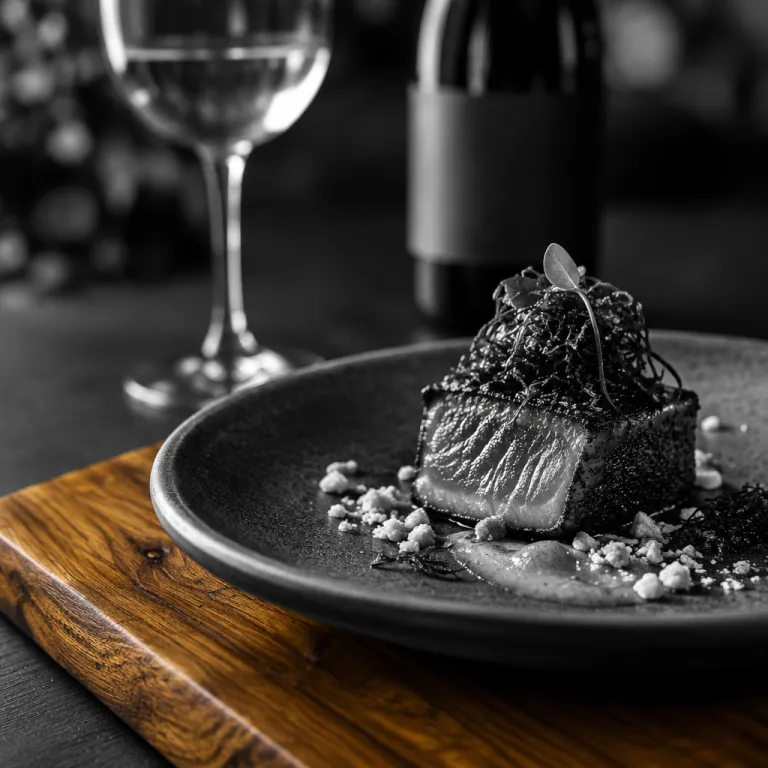
Why the hawaii food and wine festival oahu reshapes November in Waikiki
The Hawaii Food & Wine Festival on Oʻahu turns early November into peak season for travelers who plan trips around meals and rare bottles. Over four concentrated days, the Oʻahu events in this annual Hawaiʻi celebration pull in chefs, sommeliers and winemakers for a wine festival that treats Waikiki not as a postcard, but as a working culinary destination built on rich agricultural traditions from across the island. If you care about culinary excellence more than poolside playlists, these festival dates are when the city finally matches your appetite and feels like the largest food conversation in Hawaiʻi.
For the most current schedule and venues, always confirm dates such as November 5 to 8 and the FEAST Summit location on the official Hawaii Food & Wine Festival website before you book. In recent years, many headline events have clustered around Waikiki, with the FEAST Summit often held at a major beachfront resort and other food wine happenings spread between neighboring hotels and oceanfront lawns. That means the best hotel strategy is not chasing the largest food buffet, but booking a room that lets you walk to your evening course, then drift home along Kalākaua Avenue instead of queuing for taxis or late shuttles. Rooms that felt expensive in October suddenly look like smart value once you factor in late night strolls, short elevator rides and the ability to join tastings without worrying about transport.
Premium travelers should treat the Hawaii Food & Wine Festival Oʻahu edition as an annual Hawaiʻi anchor, then build flights and stays around it rather than the other way around. Air seats into Honolulu tighten quickly for that first November weekend, and the same goes for the city’s best wine lists and chef’s counters. Book flights, then lock in a hotel within the Waikiki core, and only after that start choosing which culinary class, master course or tasting experience you want to explore as part of your personal festival itinerary.
Staying in Waikiki for the FEAST Summit and nightly tastings
Think of Waikiki as the festival’s dining room, with the Hawaii Food & Wine Festival setting the nightly menu and pairing it with global wine producers. The FEAST Summit at a central resort such as the Sheraton Waikiki places you in the thick of things, where chefs celebrated for their work across the international restaurant scene join local talent to talk story about Hawaiʻi food systems and the island’s rich agricultural backbone. Staying within a short walk of this hub means you can move between panels, pool and room without losing time in traffic or rideshares.
For a premium stay that respects both palate and privacy, look at oceanfront towers between the Sheraton Waikiki and Halekulani, where many guests quietly plan their days around which culinary course or wine festival pairing they have booked that evening. These hotels are not just close to the annual Hawaiʻi events; they also sit near some of the best independent dining rooms in town, including modern island kitchens in Kakaʻako and long-running Waikiki institutions, so you can explore contemporary Hawaiʻi food on your off nights. To map out those non festival meals, use a focused resource such as a curated Honolulu food guide for hotel guests, which helps you join the dots between hotel lobbies, neighborhood plate lunches and serious tasting menus.
Rooms with balconies facing the ocean give you a front row seat to the nightly reset between events, when the beach empties and the city’s culinary destination energy shifts from surf breaks to wine glasses. If you plan to attend multiple food wine events, prioritize hotels with efficient elevators, late night room service and calm lounges, because you will be coming and going at odd hours. The Hawaii Food & Wine Festival on Oʻahu is an experience built on movement between tastings, classes and dinners, and the right base turns that movement into a pleasure rather than a chore for anyone who travels for food and wine.
Building a two or three day culinary itinerary around the island
A smart way to approach the Hawaii Food & Wine Festival Oʻahu program is to treat it as the spine of a two or three day stay, then weave in your own island eating around it. Start with one anchor evening at a major festival event, where chefs celebrated from Hawaiʻi and abroad present grown on Oʻahu ingredients in a modern, multi course format that feels both polished and grounded. On your second night, step away from the official festival to explore the city’s standing restaurant scene, using the momentum of the annual Hawaiʻi celebration to justify that extra tasting menu or rare wine pairing.
Morning after a late wine festival event, keep things gentle with a slow walk through Kapiʻolani Park, then a coffee stop in Kaimukī or Ala Moana before your next culinary class or master course. Serious caffeine hunters should consult an elegant resource such as a guide to the best coffee shops in Honolulu for hotel guests, which helps you explore neighborhoods that most festival visitors never see. Those side trips turn the Hawaii Food & Wine Festival Oʻahu experience from a single evening into a layered stay, where you join locals in their daily rituals between high profile dinners and casual island lunches.
Leave space for one lunch beyond Waikiki, perhaps in Mānoa or on the windward side, where you can taste how grown on the island produce shapes everyday Hawaiʻi food, not just gala plates. The city’s reputation as a culinary destination owes as much to humble saimin counters and plate lunch spots as to any modern wine bar. When you return to your hotel for the evening’s food wine event, you will taste that context in every course, and the festival suddenly feels less like an isolated spectacle and more like the largest food gathering happening on the island that week.
Where to stay for serious food, serious wine and smart splurges
For travelers who plan trips around meals, the Hawaii Food & Wine Festival Oʻahu lineup is where you finally justify the room rate. A central Waikiki stay near the Sheraton Waikiki or Royal Hawaiian keeps you within a compact radius of most festival venues, so you can join back to back tastings without budgeting for long rides or late night logistics. That proximity matters when your evening includes a wine festival seminar, a culinary excellence panel and a final glass on a balcony overlooking the surf and city lights.
Look for hotels that treat food as more than an amenity, with in house restaurants that work closely with Hawaiʻi farmers and fishers, and wine lists that respect both global producers and island grown ingredients. Names like Alan Wong still echo through Honolulu’s dining history, and while his original restaurant has closed, the standard it set for chefs celebrated for local sourcing continues in today’s kitchens at places such as MW Restaurant, Senia or Merriman’s. When a property’s team talks about supporting rich agricultural networks on the island, you know your stay aligns with the spirit of the annual Hawaiʻi festival, not just its marketing.
Before booking, cross check your preferred dates and specific events on the official Hawaii Food & Wine Festival website, because lineups, venues and ticketed classes can shift as November approaches. The Oʻahu festival is an experience that rewards precision; the more clearly you match your hotel, your chosen course or class, and your appetite for modern island cooking, the better your stay will feel. In the end, what defines the best room is not the star rating, but the walk to the water.
FAQ
When should I book my hotel for the hawaii food and wine festival oahu?
For the November Oʻahu dates, you should book your hotel several months in advance, especially if you want to stay in central Waikiki near the main festival venues. Premium oceanfront rooms and suites often sell out first for that long weekend, so secure your stay before you start buying event tickets, ideally as soon as the annual Hawaiʻi schedule is announced and you know which experiences you hope to join.
Which Honolulu neighborhoods work best for attending festival events?
Waikiki is the most practical neighborhood because many Hawaii Food & Wine Festival Oʻahu events, including the FEAST Summit, are hosted in or near major beachfront hotels there. Ala Moana and Kakaʻako can also work if you are comfortable with short taxi or rideshare trips to evening tastings, and they offer quick access to shopping centers, small bars and modern island restaurants that showcase Hawaiʻi food and wine.
Can I enjoy the festival without attending every event?
You do not need to attend every Hawaii Food & Wine Festival Oʻahu event to have a worthwhile trip, and many travelers choose one or two marquee evenings and then focus on Honolulu’s regular restaurant scene. A mix of ticketed tastings, independent dinners and casual island food gives a more balanced sense of the city’s culinary destination status and keeps your schedule relaxed.
How does the festival support local agriculture and producers?
The Hawaii Food & Wine Festival highlights ingredients grown on the island and across the state, and participating chefs are encouraged to build menus around Hawaiʻi farms, fisheries and ranches. This focus on rich agricultural networks turns each course into a direct link between the land, the kitchen and your plate, and helps sustain producers long after the annual Hawaiʻi events end.
Do I need a car during the festival if I stay in Waikiki?
If you stay in central Waikiki within walking distance of major festival venues, you can comfortably skip a rental car for most of your visit. A car only becomes useful if you plan to explore more remote parts of the island between Hawaii Food & Wine Festival Oʻahu events, such as the North Shore or the windward coast, or if you want the flexibility to visit multiple neighborhoods in a single day and explore beyond the core culinary districts.