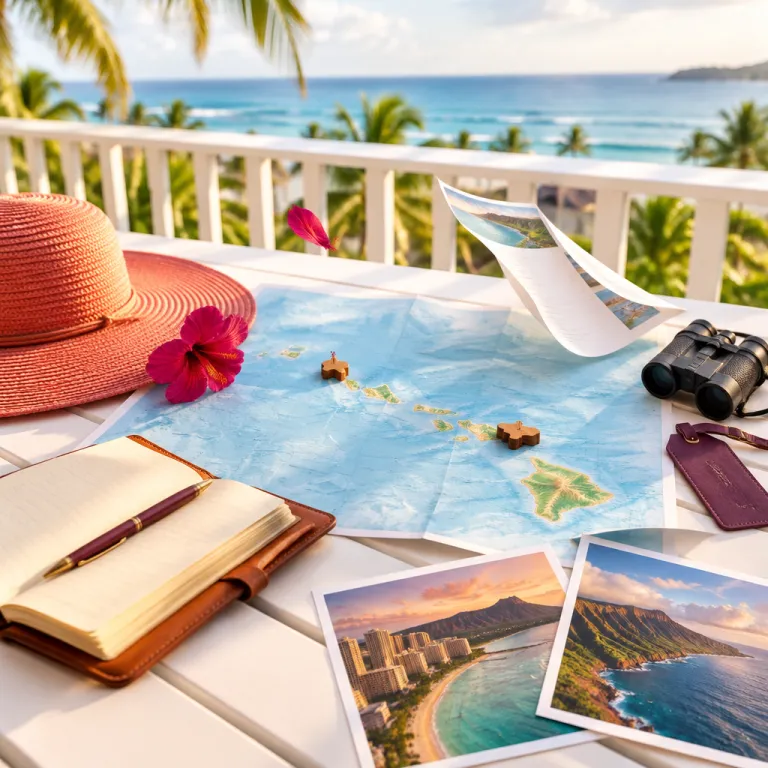
Honolulu vs Maui for first time visitors: overall feel and island rhythm
For a first trip to Hawaiʻi, choosing between Honolulu and Maui is really a choice between urban energy and relaxed resort calm. On the island of Oʻahu, Honolulu offers a dense shoreline of hotels, easy airport access, and a fast transition from plane to beach for first time travellers. By contrast, Maui feels quieter and more spread out, which can be great if you want your Hawaiʻi vacation to revolve around long, unhurried days and a slower island rhythm.
Honolulu sits on the south shore of Oʻahu and blends city towers with the curve of Waikiki Beach, so visitors can walk from their stay to shops, restaurants, and classic activities in minutes. This makes Oʻahu ideal for a short trip to Hawaiʻi, because you lose very little time in transit and can fit in Pearl Harbor, Diamond Head, and the North Shore within a compact schedule. Maui, by comparison, stretches its resorts along Kāʻanapali, Wailea, and other beaches, so every island visit there feels more residential and car based, with your travel style shaped by drives between coves, viewpoints, and trailheads.
When people weigh Honolulu and Maui for first time holidays, they often underestimate how different the two Hawaiian islands feel at street level. Comparisons usually highlight nightlife and shopping in Honolulu versus the scenic drives and quieter evenings on Maui, yet both islands share the same warm Hawaiian culture and Pacific light. As one repeat visitor put it after a first stay on Oʻahu and a second on Maui, “Honolulu felt like a beach city with mountains, while Maui felt like a string of small beach towns.” If you want a single island best suited to first timers who like options, Oʻahu and its capital Honolulu usually win, while travellers who crave space and scenery may prefer starting on Maui and pairing it with the Island of Hawaiʻi or Kauaʻi on a later trip.
Beaches, scenery, and classic activities on Oʻahu and Maui
For many visitors, the debate about Honolulu vs Maui for first time trips begins and ends with beaches. Waikiki Beach on Oʻahu is not the wildest shore in Hawaiʻi, but it delivers gentle waves, lifeguards, and easy access from almost every central hotel stay, which is ideal if you are travelling with children or older relatives. Maui’s Kāʻanapali and Wailea areas feel more resort focused, and their long crescents of sand can feel like your own best beaches when you step out at sunrise and see only a few early swimmers.
Oʻahu’s North Shore offers a very different mood from Waikiki, with legendary surf breaks in winter and calm, clear water in summer that suits snorkelling and relaxed beach days. This north coast helps make Oʻahu one of the best choices for travellers who want both urban Honolulu and rural coves in a single itinerary. Maui, on the other hand, shines with its Road to Hāna, Haleakalā sunrise, and a string of smaller beaches that reward a flexible travel style and a willingness to drive further between activities.
Families comparing Oʻahu and Maui options for a first time Hawaiʻi vacation should look closely at logistics as well as scenery. Oʻahu’s compact layout means you can combine Pearl Harbor in the morning, a Waikiki beach afternoon, and a relaxed dinner without feeling rushed, and you can find curated family friendly activities in Honolulu through this family activities and day trips guide. Maui first timers may enjoy quieter hotel pools and less crowded sands, but they will usually spend more time in the car, especially if they want to sample several beaches or explore both West and South Maui in a single trip.
Where to stay: hotel zones, walkability, and ideal trip length
Choosing between Honolulu vs Maui for first time travellers often comes down to where you prefer to stay and how much you want to walk. In Honolulu, most visitors base themselves in Waikiki, where high rise hotels line the beach and side streets, so you can reach the ocean, shops, and dining within a few minutes on foot at almost any time of day. On Maui, resorts are clustered in Kāʻanapali, Lāhainā, and Wailea, which offer beautiful settings but usually require a car or shuttle for most activities beyond the immediate beach.
If you are planning how many days to allocate to each island visit, Oʻahu works very well for a shorter stay of four to five nights, especially when you focus on Honolulu, Waikiki Beach, Pearl Harbor, and a North Shore day trip. A detailed resource such as this guide to planning the ideal hotel based stay in Honolulu can help you match your travel style to the right trip length. Maui first timers often prefer at least five to seven nights, because the island’s spread out attractions, from Haleakalā to Hāna, reward slower pacing and extra time between drives.
For a vacation stay on Oʻahu, you can choose between oceanfront towers, quieter corners near the Ala Moana area, or properties closer to Diamond Head for a more residential feel. This variety makes Honolulu one of the best Hawaiian bases for travellers who like to change activities quickly without changing hotels. On Maui, the choice between Kāʻanapali and Wailea shapes your whole Hawaiʻi vacation, with Kāʻanapali offering livelier beaches and Wailea leaning toward calmer, more upscale surroundings that suit couples or relaxed multi generation trips.
Curated island excursions and tours from Honolulu hotels
One of the strongest arguments for choosing Honolulu vs Maui for first time travellers is the sheer range of curated island excursions that depart directly from Waikiki hotels. Many operators on Oʻahu offer door to door pick up, so you can join Pearl Harbor tours, circle island drives, or guided hikes without renting a car or worrying about parking. This convenience turns a short stay into a rich island visit, because you spend more time on activities and less time on logistics.
From a Waikiki base, you can book small group tours that combine the North Shore, scenic lookouts, and local food stops, giving first time visitors a broad view of Oʻahu in a single day. Other curated experiences include guided walks up Diamond Head at sunrise, snorkelling trips to offshore reefs, and cultural evenings that highlight Hawaiian music, dance, and food in a thoughtful way. As one local guide likes to tell guests, “If you let us handle the driving, you get to spend your energy on what you came for: the ocean, the views, and the stories.”
Compared with Maui, where many excursions also require self driving to meeting points, Honolulu’s hotel centred pick ups are a great advantage for travellers who prefer a relaxed travel style. You can still arrange trips that combine Maui and Oʻahu, of course, using Honolulu as your hub for history and culture before flying to Maui for quieter days by the beach. For those planning a Maui focused itinerary later, starting with Oʻahu gives you context about the broader Hawaiian islands, from the Island of Hawaiʻi’s volcanic landscapes to Kauaʻi’s cliffs, even if you only visit them through museum exhibits and expert guides this time.
Food, culture, and urban energy: what sets Honolulu apart
When comparing Honolulu vs Maui for first time travellers, food and culture often tip the balance toward the city. Honolulu’s dining scene stretches far beyond Waikiki Beach, with neighbourhoods like Kaimukī, Chinatown, and Kakaʻako offering everything from traditional Hawaiian plates to refined tasting menus. This density of options means you can tailor each evening of your stay to a different mood, whether you want a casual plate lunch, a sunset cocktail, or a special occasion dinner during your Hawaiʻi vacation.
Honolulu also concentrates many of Hawaiʻi’s key cultural institutions, including the Bishop Museum, ʻIolani Palace, and the historic sites around Pearl Harbor, which together provide a powerful context for any island visit. Travellers who value museums, live music, and street art will find Oʻahu the island best suited to an urban travel style, especially when they can return to a beachfront hotel in Waikiki after a day of exploring. For practical planning around dining, you can consult this detailed restaurant guide for hotel guests in Honolulu, which helps align your food choices with your hotel location and daily activities.
Maui offers excellent restaurants too, particularly in Wailea and what remains of the Lāhainā area, but the options are more spread out and often require longer drives from your stay. Visitors who prioritise quiet evenings and resort based dining may find Maui first itineraries more appealing, especially if they plan to spend most of their time on the beach or by the pool. Those who want a mix of nightlife, live music, and late opening eateries usually find that Honolulu and wider Oʻahu deliver a more varied experience, especially on shorter trips.
How Honolulu and Maui fit into a wider Hawaiʻi island strategy
Thinking beyond Honolulu vs Maui for first time trips can help you design a longer term relationship with the Hawaiian islands. Many travellers start with Oʻahu because Honolulu offers the most flight options, the widest range of hotels, and easy access to Pearl Harbor, Diamond Head, and Waikiki Beach, then plan a Maui centred or combined itinerary for a second trip. Over time, they might add the Island of Hawaiʻi for volcanoes or Kauaʻi for dramatic cliffs, building a personal guide to each Hawaiian island that matches their evolving travel style.
If you only have limited time for this trip to Hawaiʻi, focusing on a single island visit usually delivers a more relaxed experience than trying to hop between several islands. Oʻahu works especially well for shorter stays because you can see many of the best beaches, major historic sites, and scenic viewpoints without changing hotels or spending long hours in transit. Maui, by contrast, rewards a longer stay with its spread out beaches, the Road to Hāna, and sunrise or sunset at Haleakalā, which together create a great sense of escape from everyday life.
Whichever island you choose first, remember that a Hawaiʻi vacation is rarely a once in a lifetime event for those who fall in love with the place. Starting with Honolulu gives you a strong foundation in Hawaiian history and contemporary culture, while starting with Maui immerses you in quieter landscapes and resort living from day one. Over several trips, you can experience the contrasts between Oʻahu and Maui, add the Island of Hawaiʻi and Kauaʻi, and refine your own view of which island best suits each stage of your travel life and the kind of stay you want each time you return.
Key figures for planning a first stay in Honolulu or Maui
- According to the Hawaiʻi Tourism Authority’s 2023 Visitor Satisfaction and Activity Report for the Hawaiian Islands (see the Oʻahu and Maui sections in the full PDF on hawaiitourismauthority.org), Oʻahu consistently receives the highest number of visitors among the Hawaiian islands, often welcoming more than twice as many travellers annually as Maui, which means more flight options and hotel choices for first time visitors.
- Average ocean temperatures around Oʻahu and Maui typically range between 24 and 27 degrees Celsius throughout the year, based on long term sea surface temperature records from the National Centers for Environmental Information’s “Daily Global Ocean SST” datasets available at ncei.noaa.gov, making beach activities and swimming comfortable during any season of a Hawaiʻi vacation.
- Driving from Honolulu’s airport to most Waikiki hotels usually takes around 20 to 30 minutes in normal traffic, while transfers from Maui’s main airport in Kahului to Kāʻanapali or Wailea can take 40 to 60 minutes; these typical ranges are drawn from published estimates on major mapping and navigation platforms and are useful planning figures even though real world times vary with conditions.
- Surveys from the Hawaiʻi Tourism Authority’s 2023 Visitor Satisfaction and Activity Report (island specific tables in the same HTA PDF) show that a significant share of first time visitors to Hawaiʻi choose to stay between 5 and 9 days, which aligns well with a single island visit to Oʻahu or Maui without rushing key activities.
- Visitor spending data from the HTA’s 2023 Visitor Research Reports (downloadable via the “Research” section of hawaiitourismauthority.org) indicates that accommodation represents one of the largest portions of a Hawaiʻi trip budget, often around 40 percent or more, so choosing between Honolulu and Maui based on hotel rates and inclusions can have a major impact on overall trip cost.
FAQ about choosing Honolulu or Maui for a first Hawaiʻi trip
Is Honolulu or Maui better for a first time visitor without a car ?
Honolulu on Oʻahu is usually better for a first time visitor who does not plan to rent a car, because many hotels in Waikiki are walkable to the beach, shops, and restaurants, and most major tours to Pearl Harbor, the North Shore, and Diamond Head include hotel pick up. Maui is more spread out, so relying on taxis or limited public transport can restrict your activities and increase costs. If you want maximum flexibility without driving, a stay in Honolulu is generally the stronger choice.
Which island has the best beaches for a short Hawaiʻi vacation ?
Both Oʻahu and Maui have excellent beaches, but for a short trip to Hawaiʻi, Oʻahu offers more variety within a compact area, from Waikiki Beach to calmer coves on the east side and the North Shore. Maui’s Kāʻanapali and Wailea areas provide beautiful sands and clear water, yet reaching multiple beaches often requires longer drives. For first time visitors who want to sample several beach styles in limited time, Oʻahu usually provides the most efficient island experience.
How many days should I stay in Honolulu vs Maui on my first trip ?
For a first time visit focused on Honolulu and wider Oʻahu, four to six nights generally allow enough time to enjoy Waikiki, Pearl Harbor, Diamond Head, and at least one North Shore or circle island tour. Maui first timers often prefer five to seven nights, because the island’s attractions, such as the Road to Hāna and Haleakalā, involve longer drives and benefit from slower pacing. If you have fewer than seven nights total, concentrating on a single island usually leads to a more relaxed stay.
Is it worth visiting both Oʻahu and Maui on the same first trip ?
Visiting both Oʻahu and Maui on a first time Hawaiʻi vacation can be rewarding if you have at least ten to twelve days, because you can enjoy Honolulu’s urban energy and Maui’s quieter beaches without feeling rushed. With less time, the interisland flights, packing, and hotel changes can eat into your beach and activity time. Many travellers choose Oʻahu for their first trip, then plan a combined Maui and Oʻahu or Maui plus Island of Hawaiʻi itinerary for a second visit once they understand their preferred travel style.
Which island is better for history and culture, and which for scenery ?
Oʻahu, and especially Honolulu, is better for history and culture, with sites such as Pearl Harbor, ʻIolani Palace, and the Bishop Museum, as well as a lively contemporary arts and food scene. Maui excels in scenic drives, volcanic landscapes at Haleakalā, and coastal views along the Road to Hāna, making it ideal for travellers who prioritise natural scenery and resort relaxation. For many visitors, starting with Oʻahu provides a strong cultural foundation, then a later trip to Maui deepens their appreciation of the broader Hawaiian islands.