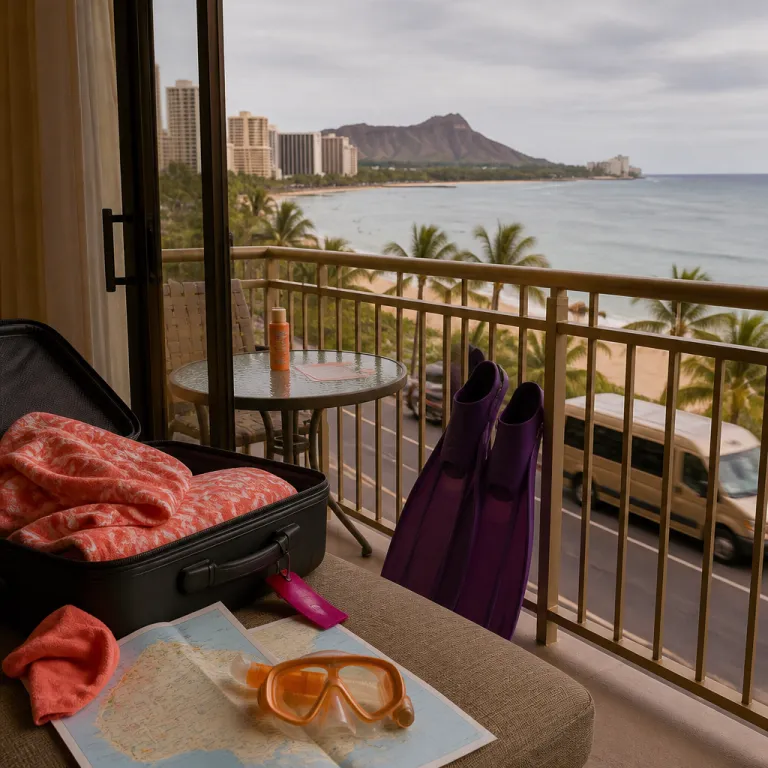
How your hotel choice shapes access to Honolulu snorkeling spots
Where you stay in Honolulu quietly determines how easily you reach the most memorable Honolulu snorkeling spots along the south, west, and north shore. Choosing a hotel near a calm beach or protected bay can mean slipping into clear water before breakfast, while a property farther inland often requires rental cars, transfers, and tighter timing around tides, surf, and trade winds. For travelers who care about marine life and want the best snorkeling without logistical stress, it pays to map hotel locations against Oahu snorkeling corridors before you book.
Along Waikiki, oceanfront hotels place you steps from Queens Beach and the nearshore reef, which is not the best snorkeling on Oahu but offers a gentle, convenient snorkeling spot for a first dip between meetings or family activities. Guests who base themselves near Kapiolani Park or a quieter beach park at the eastern end of Waikiki gain faster access to Hanauma Bay and other curated snorkeling spots Oahu is famous for, because transfer times along the coastal road stay manageable even in peak traffic. On the other hand, travelers who prioritize the north shore and its rugged coves often prefer resorts near Turtle Bay or Kuilima Cove, trading city buzz for quick walks to sheltered water, healthier coral reefs, and more consistent visibility.
Honolulu hotels that understand typical snorkeling Oahu patterns will often share tide charts, arrange early shuttles to Hanauma Bay Nature Preserve, and connect guests with guides who know when Shark’s Cove or Three Tables are calm enough for safe entry. When you compare properties, ask whether staff can store wet snorkel gear, provide reef-safe sunscreen, and advise on ocean conditions, because this support dramatically improves both safety and comfort. If you plan to visit Electric Beach, Kahe Point, or more advanced reef systems, consider a hotel with strong partnerships with local marine operators, since these teams monitor swell, visibility, and green sea turtle behavior daily and can flag hazards such as rip currents, strong shore break, or days when boat traffic makes certain entries unsuitable.
South shore essentials: Waikiki, Queens Beach, and Hanauma Bay
Staying in central Waikiki places you in the heart of Honolulu snorkeling spots that suit beginners, time-poor business travelers, and families who want easy access from their hotel elevators to the sea. Queens Beach, at the quieter end of Waikiki, offers a sandy entry, a modest fringing reef, and enough fish to keep first time snorkelers engaged without leaving the city skyline behind. While the marine life here cannot rival the north shore or more remote coves, the combination of lifeguards, nearby cafés, and short walks from most hotels makes this beach an appealing warm up.
For many visitors, the best snorkeling near Honolulu is found at Hanauma Bay Nature Preserve, a protected bay carved into an ancient volcanic crater on the southeastern tip of Oahu. This famous marine sanctuary limits daily visitors to protect its coral reefs and hosts more than 400 documented fish species, so planning from your hotel room is essential if you want to secure a morning slot when the water is clearest. According to the City and County of Honolulu and the Hawaii Department of Land and Natural Resources, nonresident adults have recently paid a $25 entrance fee, while children 12 and under and Hawaii residents are exempt; because fees and reservation rules can change, confirm the latest details with official Hanauma Bay information before you go.
From a practical standpoint, hotels in Waikiki or near Hawaii Kai shorten the drive to Hanauma Bay and other south shore snorkeling spots, while properties farther west add unnecessary time in traffic. Ask your concierge about the earliest departures, because arriving at the bay soon after opening usually means calmer water, fewer crowds on the shore, and more relaxed encounters with marine life such as parrotfish, butterflyfish, and the occasional green sea turtle. Typical visibility on clear summer mornings can reach several metres or more, but trade winds, surf, and seasonal south swells can reduce clarity later in the day, so plan to be in the water early and use hotel outdoor showers and gear rinse areas afterward to keep sand and saltwater out of your room.
North shore escapes: Turtle Bay, Kuilima Cove, Shark’s Cove, and Three Tables
Travelers who dream of wild Pacific swells, lava rock headlands, and quieter Honolulu snorkeling spots often look beyond the city and book hotels near the north shore. The Turtle Bay resort area anchors this coastline and offers direct access to Kuilima Cove, a sheltered indentation in the reef where a natural rock barrier softens waves and keeps the water calmer than many open beaches. For guests, this means you can step from your room, cross the shore path, and be floating above coral heads and schooling fish within minutes.
Kuilima Cove is widely regarded as one of the best snorkeling areas on the north shore for beginners, because its semi enclosed shape protects swimmers from the full force of the ocean while still supporting healthy coral and diverse marine life. Families staying at Turtle Bay or nearby rentals appreciate that the cove’s sandy entry and modest depth allow children and less confident adults to practice snorkel skills before venturing to more exposed spots Oahu is known for. When conditions are right, you may see green sea turtles grazing on algae along the reef, but remember to keep a respectful distance, never block their path to the surface, and follow all local wildlife guidelines, including state rules that prohibit touching or harassing turtles and monk seals.
A short drive west brings you to Shark’s Cove and Three Tables, two iconic north shore snorkeling spots that reward confident swimmers with dramatic underwater topography and dense fish populations. Hotels in Haleiwa or the Turtle Bay area can help you time visits around seasonal swells, since powerful winter waves often make these sites unsafe while late spring and summer can transform the same cove and adjacent beach park into a calm, clear aquarium. If you plan to split your stay between Waikiki and the north shore, consider starting in the city for easy access to Hanauma Bay and Queens Beach, then moving north for a few nights focused entirely on reef exploration, tide-dependent adventures, and quieter ocean mornings, always checking lifeguard warnings, posted signs, and rip-current advisories before entering the water.
West side adventures: Electric Beach, Kahe Point, and beyond
Honolulu visitors who are willing to travel west along Oahu’s leeward coast gain access to some of the island’s most vibrant yet less crowded snorkeling spots. Electric Beach, located near the power plant at Kahe Point, benefits from warm water outflow that attracts dense schools of fish, curious green sea turtles, and occasionally larger marine species. This combination of clear ocean conditions and concentrated marine life makes the area one of the best snorkeling choices for confident swimmers who are comfortable with deeper water, boat traffic, and stronger currents.
Because Electric Beach and Kahe Point lack the urban infrastructure of Waikiki or the resort amenities of Turtle Bay, your hotel selection in Honolulu should factor in drive times, parking availability, and the need for reliable gear storage. Many travelers choose to stay in Waikiki or Ko Olina and join guided Oahu snorkeling tours that depart by boat, allowing them to reach offshore reef systems without navigating tricky shore entries or crossing busy boat lanes from shore. These operators typically provide high quality snorkel equipment, flotation aids, and safety briefings, which is especially valuable if you are new to the area or unfamiliar with reading ocean conditions.
If you prefer to explore independently, ask your hotel concierge about reputable rental shops and current reports on visibility, swell, and wind along the west coast. Some Honolulu properties maintain relationships with conservation focused guides who emphasize reef etiquette, such as avoiding contact with coral reefs and never chasing marine life for photographs. When you return from Electric Beach or other west side snorkeling spots, take advantage of hotel facilities like rinse stations and secure balconies, because properly drying your gear extends its life, prevents mildew, and keeps your room free from lingering sea salt and sand.
Planning your stay: matching hotel locations to your snorkeling style
Before you confirm a hotel in Honolulu, think carefully about how you want to balance city comforts with daily access to your preferred Honolulu snorkeling spots. If you value nightlife, dining variety, and easy public transport, an oceanfront property in Waikiki places you near Queens Beach, quick shuttles to Hanauma Bay, and a range of guided snorkeling Oahu excursions. Travelers who prioritize quiet mornings, shorter walks to the shore, and immediate access to reef protected coves may find that a stay near Turtle Bay or Kuilima Cove better matches their rhythm.
For guests planning multi day marine life itineraries, a split stay can be especially effective, with several nights in Waikiki followed by time on the north shore. This approach allows you to sample south shore sites like Hanauma Bay and urban beach parks before focusing on the wilder reef systems around Shark’s Cove, Three Tables, and the Turtle Bay coastline. When you compare room rates, remember to factor in the cost and duration of transfers to each snorkeling spot, because a slightly higher nightly price near your chosen beach can sometimes reduce overall expenses, fatigue, and time spent in traffic.
Ask each hotel specific questions about ocean access, such as walking distance to the nearest swimmable beach, availability of on site snorkel gear, and partnerships with local marine guides. Properties that regularly host divers and snorkelers often provide early breakfast options, secure storage for underwater cameras, and staff who can interpret daily ocean forecasts for the island’s different shores. These details may seem minor when you book, yet they significantly influence how many hours you actually spend in the water rather than in transit, waiting in lines, or searching for safe entry points.
Responsible snorkeling: protecting Oahu’s reefs while enjoying your stay
Honolulu’s appeal lies not only in its hotels and beaches but also in the fragile marine ecosystems that surround the island. As you plan visits to Hanauma Bay, Queens Beach, Kuilima Cove, Shark’s Cove, or Electric Beach, remember that every fin kick near coral and every product you apply to your skin affects the reef. Choosing accommodations and tour operators that prioritize conservation helps ensure that these snorkeling spots remain vibrant for future travelers.
Many leading hotels in Waikiki and on the north shore now highlight reef safe sunscreen, encourage guests to avoid standing on coral reefs, and share guidelines such as staying within designated snorkeling areas and never touching marine life. When you book, look for properties that mention partnerships with conservation organizations or local beach park clean up initiatives, because this signals a deeper commitment to Hawaii’s ocean health. Some operators also emphasize eco friendly snorkeling practices, including small group sizes, slower-paced outings, and briefings on how to observe sea turtles and fish without causing stress.
Before each outing, check weather and swell forecasts from your hotel or guide, since changing conditions can quickly transform a calm cove into a hazardous snorkeling spot. Respect any closures at Hanauma Bay or along the north shore, because these decisions are usually based on safety and reef protection rather than convenience. By aligning your hotel choice, daily plans, and in water behavior with the needs of the ocean, you help preserve Oahu’s most cherished snorkeling spots while still enjoying clear water, healthy fish populations, and the quiet thrill of drifting above living coral gardens.
Key figures that shape snorkeling experiences in Honolulu
- Hanauma Bay Nature Preserve hosts around 400 documented fish species, making this single bay one of the most biodiverse snorkeling spots near Honolulu compared with other easily accessible beaches on Oahu.
- City and County of Honolulu and Hawaii Department of Land and Natural Resources information notes that Hanauma Bay operates with a strict daily visitor limit and advance reservation system to reduce pressure on coral reefs and improve the quality of each snorkeling experience relative to unregulated sites.
- Many guided tours from Waikiki to major Honolulu snorkeling spots operate primarily during morning hours, when trade winds are lighter and water visibility can be several metres better than in the afternoon.
- Hotels located within walking distance of Waikiki’s shoreline can significantly cut transfer times to south shore snorkeling spots compared with inland properties, leaving more of the day for actual time in the ocean.
FAQ about Honolulu snorkeling spots and hotel choices
Is snorkeling safe for beginners in Honolulu?
Yes, especially in calm waters like Kuilima Cove. Hotels near this protected cove or along the gentler sections of Waikiki Beach can recommend suitable times of day, provide flotation aids, and connect you with guides who specialize in first time snorkelers.
Do I need to bring my own snorkel gear to Honolulu?
Not necessarily; rentals are available at most locations. Many Honolulu hotels either stock basic snorkel sets for guests or work with nearby shops that deliver equipment to your room, which is convenient if you plan to visit several snorkeling spots during your stay.
Are there age restrictions for snorkeling around Oahu?
Generally, no; however, supervision is recommended for children. Family friendly hotels often arrange shallow water lessons at a nearby beach park or calm cove before suggesting more advanced Honolulu snorkeling spots with deeper water and stronger currents.
Can I see sea turtles while snorkeling near Honolulu?
Yes, especially at Turtle Canyon, an offshore reef separate from Turtle Bay on the north shore. Guests staying in Waikiki can join boat tours that visit this site, while those based near Turtle Bay or other north shore areas may encounter green sea turtles from the shore, provided they keep a respectful distance and never touch the animals.
Is there an entrance fee for Hanauma Bay, and how should I plan from my hotel?
Yes, the City and County of Honolulu has recently listed a $25 admission fee for nonresident adults, with children 12 and under free and Hawaii residents not charged. Because daily numbers are limited and reservations are required for most visitors, ask your hotel to help with booking and transport so you can arrive early, enjoy clearer water, and secure shaded space on the beach between snorkeling sessions.
Sources
- Hawaii Magazine – coverage of Hanauma Bay Nature Preserve and leading snorkeling locations on Oahu.
- Ocean Vibe Hawaii – practical guidance on Electric Beach, Shark’s Cove, Turtle Canyon, and other Oahu snorkeling sites.
- Rent By Owner travel journal – data on fish species counts and visitor management at Hanauma Bay near Honolulu.