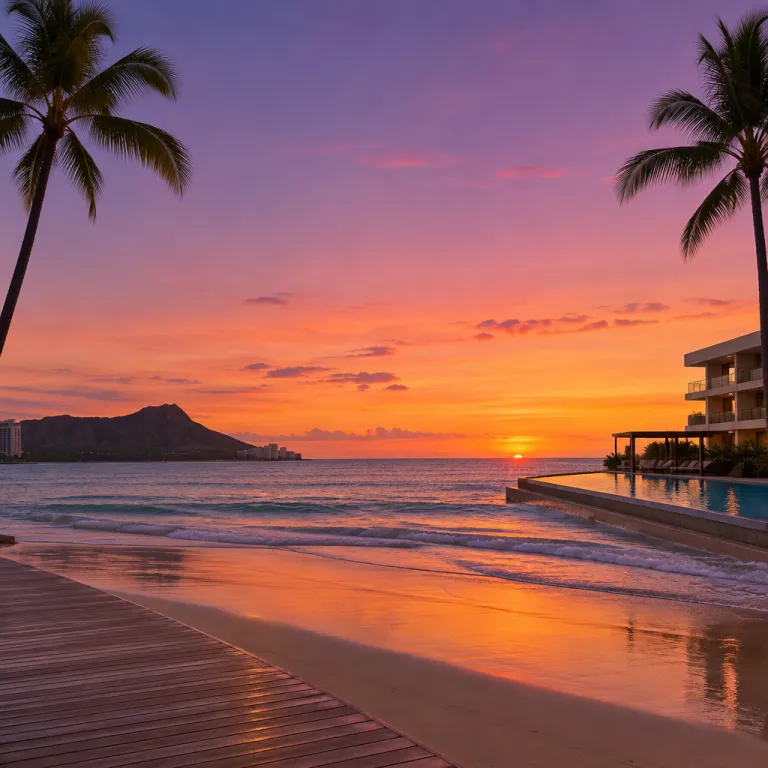
Waikiki beach hotels with the most instagrammable views
Choosing a hotel along Waikiki beach shapes how you experience the most photogenic spots in Honolulu. From your balcony you can frame the curve of the beach, the turquoise water and the volcanic silhouette of Diamond Head in a single photo that instantly elevates your feed. For travelers focused on Oahu photography, staying right on the sand gives you constant access to changing light, shifting views and endless camera-ready corners.
Many oceanfront places in Honolulu offer rooms facing the beach cove at the quieter ends of Waikiki beach. These sections feel more intimate, with palm trees, outrigger canoes and gentle water that create some of the best photo opportunities at sunrise and sunset. When you compare scenic spots across Oahu, a high floor room with an unobstructed view often matters more than room size, so prioritize view categories such as “oceanfront,” “deluxe ocean view” or “Diamond Head view” when you book.
Specific properties stand out for photogenic angles. The Royal Hawaiian, a pink landmark on Waikiki beach, gives you classic shots of its historic facade framed by modern towers and the ocean. Moana Surfrider, with its banyan tree courtyard and white colonnades, works beautifully for golden hour portraits; request a room in the historic wing with a partial ocean view for balcony shots of Kalākaua Avenue and the shoreline. Halekulani is ideal for refined pool and sunset compositions, especially from upper-floor oceanfront rooms, while Hilton Hawaiian Village offers wide lagoon views and Friday night fireworks photos from towers facing the Duke Kahanamoku Lagoon. For families planning a trip that balances comfort and content creation, look at properties near a sheltered beach park section of Waikiki. These areas usually have calm water for swimming, grassy park lawns and easy access to the sand, which means you can move from pool to beach to a quick photo session in minutes. To understand which stretches of coastline work best for children and still deliver visually striking places, use a specialist guide such as Honolulu beaches for families and how to choose the right hotel on Oahu.
Guests who care about Oahu content creation should also consider on-site amenities like rooftop pools and open-air lounges. These elevated spaces often frame the island skyline, the curve of Waikiki beach and the distant outline of the Koʻolau mountains in a single sweeping view. When you evaluate places Oahu wide, check whether the hotel offers late checkout or day-use options, because golden hour photos on your final evening can become some of your best images of Hawaii.
Choosing the right Honolulu neighborhood for photogenic stays
Honolulu stretches beyond Waikiki, and your choice of neighborhood influences which picturesque spots in Honolulu feel most accessible. Staying in central Waikiki keeps you close to the beach, nightlife and many of the most popular photo locations, but it can feel busy if you prefer quieter photography sessions. A hotel in Ala Moana or near Kapiʻolani Regional Park offers more space, softer light and easier access to green areas that complement your beach photos.
Travelers who want quick access to both city and island landscapes should compare where to stay in Honolulu using a detailed neighborhood guide. Resources such as this Honolulu neighborhood guide to Waikiki, Ala Moana and beyond explain how each area connects to key photo spots on Oahu. When you understand transit times to places like Kualoa Regional Park, the Byodo-In Temple or the North Shore, you can choose a base that minimizes commuting and maximizes golden hour shooting.
If your trip focuses on urban photography and night images for social media, downtown Honolulu or the area near the harbor can be appealing. These places Oahu side offer skyline views, street scenes and harbor water reflections that contrast beautifully with your daytime beach park photos. However, if your priority is fast access to Waikiki beach and sunrise sessions over the ocean, a central Waikiki hotel remains the best choice for most guests.
Some visitors split their stay between Waikiki and another part of Oahu to capture more varied backdrops. A few nights in Waikiki provide classic beach and Diamond Head views, while time near the windward coast or closer to Kualoa gives you lush mountain scenery and quieter vantage points. This two-base strategy works especially well for serious Oahu photography enthusiasts who want both city energy and tranquil island scenery in their photos.
Iconic Waikiki beach hotels for classic Honolulu photo spots
Iconic Waikiki beach hotels have shaped the visual identity of Hawaii for generations, and staying in one places you inside many of the most recognizable scenes in Honolulu. Their oceanfront terraces, historic courtyards and palm-lined pools appear in countless images, yet each guest can frame a unique view. When you compare these properties, focus on how public spaces, room balconies and direct beach access support your photography goals.
Some of the most photogenic hotels sit directly on Waikiki beach, with arches, lanais and open-air lobbies that frame the water and sky. From these vantage points you can capture the curve of the island coastline, surfers waiting beyond the reef and the changing colors of sunset without leaving the property. If you plan to shoot multiple locations in a single evening, staying steps from the sand reduces transit time and lets you react quickly to shifting light.
When deciding between Waikiki and other districts, it helps to compare how each area supports both relaxation and content creation. A resource such as this analysis of Waikiki versus downtown Honolulu for the best area to stay clarifies trade-offs between skyline views, beach access and nightlife. For most first-time visitors focused on photogenic places, Waikiki offers the best balance of convenience, safety and proximity to classic viewpoints.
Parking can be tight around these landmark properties, so factor the parking lot situation into your planning if you intend to rent a car for day trips across Oahu. Many Waikiki hotels charge overnight parking fees in the range of US$40–55, and valet-only garages can add wait times when you leave for sunrise shoots. Easy vehicle access makes it simpler to reach Kualoa, the North Shore or the Byodo-In Temple at ideal times for photography. When you return to your hotel after a long day of exploring places Oahu wide, having a comfortable room with a private balcony view of Waikiki beach lets you end the evening with one last set of photos.
Day trips from Waikiki to the most instagrammable places on Oahu
While Waikiki concentrates many photogenic spots in Honolulu, the wider island of Oahu offers dramatic landscapes that reward day trips. A carefully planned itinerary lets you combine beach scenes, mountain ridges and cultural landmarks in a single day of photography. To avoid crowds and harsh light, aim to reach key scenic viewpoints early in the morning or late in the afternoon.
The windward coast around Kualoa and Kualoa Regional Park is essential for anyone serious about Oahu photography. Here you will find the small offshore islet commonly known as Chinaman’s Hat (Mokoliʻi), a nearby sandbar experience and sweeping views of jagged green cliffs dropping into the water. Many visitors park in a designated parking lot near the beach park, then walk along the shore to scout the best photo spots before the tour groups arrive; driving from Waikiki typically takes 45–60 minutes in light traffic and longer during weekday rush hours.
Further along the coast, the Byodo-In Temple in the Valley of the Temples offers a serene contrast to the energy of Waikiki beach. Its red bridge, koi ponds and misty mountain backdrop create some of the best photo compositions on the island, especially on overcast days when colors appear richer. Respectful behavior is essential here, because this is an active religious site and not just another backdrop for casual photos; tripods may be restricted in crowded areas, and commercial shoots require advance permission.
Many travelers also combine a visit to the North Shore with their Kualoa day trip to maximize their time on Oahu. The North Shore delivers powerful winter surf, relaxed beach towns and quieter beach cove settings that feel far removed from Honolulu, yet still provide striking scenes. If you plan to continue to the Big Island later in your Hawaii journey, capturing both Oahu and Big Island landscapes will give your feed a broader sense of the archipelago.
Diamond Head, urban parks and coastal hikes for unforgettable views
Some of the most rewarding photo locations in Honolulu require a short hike, and Diamond Head is the classic example. The trail climbs steadily from the crater floor to a summit lookout that offers a sweeping view of Waikiki beach, the city skyline and the endless Pacific water. Because the path is exposed and can become hot, starting early gives you softer light, cooler temperatures and fewer people in your photos; reservations are currently required for non-resident visitors, so check the latest rules before you go.
From the top of Diamond Head you can see how the city curves around the island coastline, with green spaces like Kapiʻolani Regional Park providing visual relief between towers. These parks are not only pleasant places to relax after your hike, they also offer excellent photo spots with banyan trees, open lawns and framed views back toward the crater. For guests staying in nearby hotels, an early morning walk through the park before breakfast can yield some of the best photo opportunities of the day.
Urban explorers will appreciate how Honolulu blends city streets, harbor scenes and hidden beach access points into a varied photography playground. Short walks from many hotels lead to lesser-known vantage points, such as small beach cove areas tucked between seawalls or piers where the water reflects city lights at dusk. When planning your trip, consider alternating intense hike days with gentler park strolls so you have the energy to keep shooting throughout your stay.
Visitors sometimes compare Oahu with the Big Island when deciding where to focus their Hawaii vacation. Oahu offers denser clusters of visually compelling places, especially around Honolulu, while the Big Island excels in volcanic landscapes and star-filled night skies. If your priority is a mix of accessible hikes, urban comforts and diverse photo spots, Oahu remains the best base for a first visit.
How to choose a hotel that supports your photography goals
When your priority is capturing the most instagrammable spots in Honolulu, your hotel becomes more than a place to sleep. It turns into a staging ground for sunrise shoots, midday editing sessions and sunset walks along the beach. Choosing carefully will help you balance comfort, budget and access to the best photo locations on Oahu.
Start by deciding whether you want direct access to Waikiki beach or prefer a quieter location near a regional park or residential area. Beachfront hotels provide instant access to the water and classic views, but properties a few streets back sometimes offer better value and more local character. If you plan frequent day trips to Kualoa, the North Shore or the Byodo-In Temple, check how easy it is to exit the parking lot and reach main roads during peak hours; leaving Waikiki before 6:30 a.m. usually means smoother traffic.
Room type matters as much as location for serious Oahu photography enthusiasts. An ocean view or partial ocean view category often costs more, yet the ability to shoot from your balcony during changing weather can transform your photos. When you compare places Oahu wide, look for floor plans that maximize natural light, as bright interiors make it easier to edit images and film content for social media; corner rooms and units with floor-to-ceiling windows are especially helpful.
Finally, consider on-site services that support a photography-focused trip, such as early breakfast options, secure luggage storage and flexible housekeeping schedules. These details allow you to leave before dawn for a hike, return to rest midday and head out again for sunset without logistical stress. With thoughtful planning, your Honolulu hotel will function as both a comfortable retreat and a creative studio for capturing your best photo memories of Hawaii.
Key figures about Honolulu tourism and hotel stays
- According to the Hawaiʻi Tourism Authority’s Oahu Visitor Highlights 2019 report, Oahu welcomed approximately 5.6 million visitors in 2019, and a significant share stayed in Waikiki hotels within walking distance of major beachfront viewpoints.
- Data from the City and County of Honolulu’s Waikiki Special District Boundary and Land Use documentation indicate that Waikiki accounts for roughly 40 percent of all visitor accommodation units on Oahu, concentrating many of the island’s most popular photo locations within a compact beachfront district.
- Hawaiʻi Tourism Authority surveys summarized in the 2019 Visitor Satisfaction and Activity Report show that more than 80 percent of visitors report beach activities as a primary reason for their trip, underscoring why hotels near Waikiki beach and other coastal viewpoints remain in high demand.
- Industry reports from STR (Smith Travel Research), including the 2019 U.S. Hotel Review, consistently rank Honolulu among the top U.S. markets for hotel occupancy, with peak seasons often exceeding 80 percent occupancy, so travelers seeking the best photo views should book well in advance.
- Transportation studies from the Hawaiʻi Department of Transportation, such as the Oahu Regional Transportation Plan 2045, highlight that driving from Waikiki to Kualoa Regional Park typically takes 45 to 60 minutes depending on traffic, which is crucial timing information for photographers chasing sunrise or sunset light.
FAQ about instagrammable stays in Honolulu
Which area of Honolulu is best for instagrammable beach photos ?
Waikiki beach is the most convenient area for instagrammable beach photos because many hotels sit directly on the sand and offer unobstructed ocean views. From here you can easily walk to multiple photo spots, including the main beach, small beach cove areas and nearby parks. Guests who want quieter scenes can choose hotels at the eastern or western ends of Waikiki, where crowds thin out but views remain impressive; look for rooms labeled “oceanfront” or “Diamond Head view” for the most reliable balcony shots.
Do I need a car to reach the best instagram spots on Oahu ?
You can capture many instagrammable spots in Honolulu without a car, especially around Waikiki, Diamond Head and central parks. However, renting a vehicle makes it much easier to reach Kualoa Regional Park, the Byodo-In Temple, the North Shore and other remote photo spots on Oahu. If you do rent, confirm your hotel’s parking lot fees and access, because these can significantly affect your overall trip budget; expect nightly parking charges in Waikiki to be higher than in suburban areas.
When is the best time of day for photography in Honolulu ?
Early morning and late afternoon provide the best light for photography in Honolulu, especially for beach and city views. Sunrise often delivers softer colors over Waikiki beach and fewer people in your photos, while sunset can create dramatic skies behind the skyline and Diamond Head. Midday light is harsher, so use that time for scouting locations, resting at your hotel or exploring shaded urban parks.
How many days should I stay in Honolulu for photography ?
A stay of four to six nights in Honolulu usually allows enough time to capture both city-based instagrammable places and key day trip locations on Oahu. This duration lets you photograph Waikiki beach, Diamond Head and urban parks, then add excursions to Kualoa, the North Shore and the Byodo-In Temple. Serious photographers who want to include the Big Island or other Hawaii islands in their portfolio may prefer a longer trip with multiple bases.
Are drones allowed at popular photo spots around Honolulu ?
Drone regulations in Hawaii are strict, and many popular instagram spots in Honolulu, including Waikiki beach and Diamond Head, fall under restricted airspace or park rules that limit drone use. The Federal Aviation Administration requires registration for most drones, adherence to Part 107 rules for commercial operators and respect for controlled airspace near Daniel K. Inouye International Airport and military installations. Always check local park regulations before flying, and respect no-fly zones near airports, military areas and crowded beaches. When in doubt, focus on ground-based photography, which still offers abundant creative possibilities across the island of Oahu.