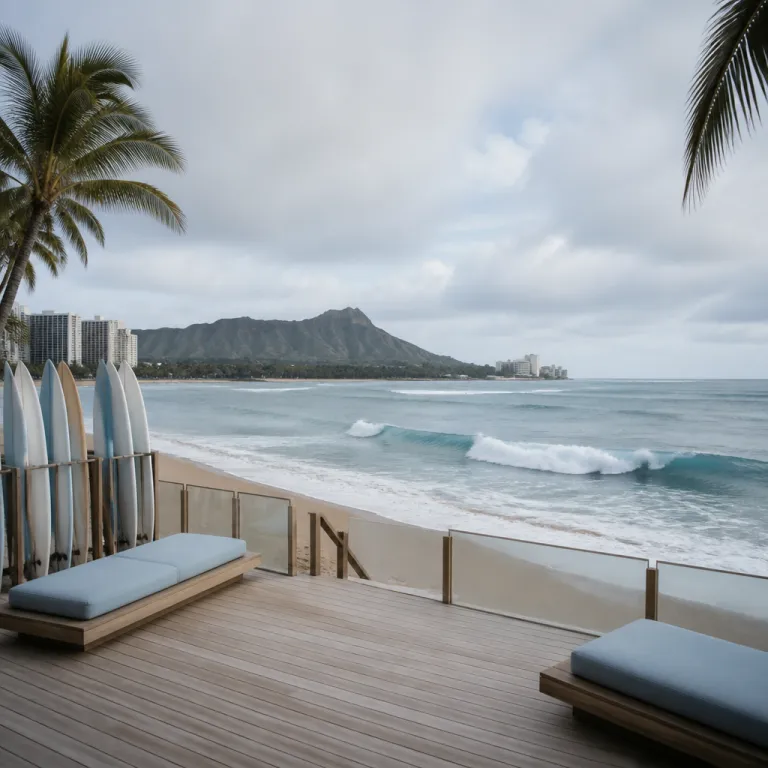
Understanding where to surf in Honolulu when you book your hotel
Choosing where to surf in Honolulu starts the moment you choose your hotel. If you plan your stay around the main surf spots on the south shore of Oahu, you will cut transfer times, maximise water time, and still enjoy the city’s dining and shopping. For travellers who care about both comfort and consistent waves, thinking about surf breaks and beach access before you confirm a room is essential.
Honolulu stretches along a long urban shore, and each beach and reef break has a distinct character. Some surf spots offer gentle waves that suit first surf lessons, while others deliver fast reef breaks that attract experienced surfers chasing the best surfing conditions on the island. When you understand how the south shore, the north shore, and the eastern shore Oahu options differ in exposure, crowd levels, and typical swell, you can match your hotel location to your surfing ambitions.
Most visitors who ask where to surf in Honolulu stay near Waikiki Beach. This area places you close to beginner friendly waves, structured surf lessons, and sheltered surf spots that work in smaller summer swells. If you want to combine surf travel with easy access to restaurants, nightlife, and family friendly activities, a hotel in Waikiki or near Diamond Head on the south shore will suit you well and keep daily logistics simple.
Waikiki Beach and Waikiki surf for beginners and relaxed cruisers
Waikiki Beach is the classic answer when someone asks where to surf in Honolulu as a beginner. Long rolling waves break over a relatively forgiving reef, and the inside sections near the shore create mellow surf that lets you stand up early and ride for many metres. Because the waves are gentle and predictable, this is one of the best surfing areas in Hawaii for families, cautious first timers, and anyone who wants a relaxed introduction to the sport.
Local schools along Waikiki surf zones offer structured surf lessons and private surf lesson packages in several languages. Well known operators such as Hans Hedemann Surf School, Waikiki Beach Services, Faith Surf School, and Big Wave Dave Surf & Coffee typically use large stable boards and guide you to the safest surf spot of the day, often choosing between Canoes, Queens, and other named breaks depending on the swell and wind. You will find that these surf lessons usually include all equipment, basic theory about wave behaviour, paddling technique, and clear guidance on local surf etiquette.
Even if you already know how to surf, Waikiki surf peaks are ideal for relaxed longboard sessions. The reef break here produces slow peeling waves that suit cross stepping and nose riding, and the warm water makes long sessions comfortable from sunrise to sunset. Hotels that front Waikiki Beach, such as the Moana Surfrider, Outrigger Waikiki Beach Resort, and the Royal Hawaiian, give you the luxury of checking the waves from your balcony before you walk a few metres to the shore with your board under your arm.
Diamond Head and south shore Oahu for progressing intermediates
Once you can stand consistently and turn, you will start asking where to surf in Honolulu that feels a little more challenging. The answer usually lies just east of Waikiki, around Diamond Head and the neighbouring south shore reef breaks that catch more swell and handle slightly bigger surf. Here the waves are still friendly, but the take offs are steeper and the rides longer, which helps you refine your surfing technique and build confidence.
Diamond Head Cliffs is a renowned surf spot for intermediate surfers who want to step up from Waikiki Beach. The reef break here produces multiple peaks, and on a good day you will see surfers carving along clean faces that run for impressive distances. Because the waves are more powerful and exposed than in central Waikiki, you should already feel comfortable with paddling, duck diving, reading sets, and basic shore surfing safety before you commit, and you should pay attention to tide changes that can expose more reef and increase currents.
Staying in a hotel near the eastern end of Waikiki or closer to the Diamond Head area will shorten your commute to these south shore Oahu waves. Properties such as the Lotus Honolulu at Diamond Head, Queen Kapiolani Hotel, and Kaimana Beach Hotel sit within a short drive or a longer walk of the cliffs, and you can still reach central Waikiki surf zones by foot or a quick rideshare. This balance lets you wake up closer to less crowded surf spots that appeal to confident intermediates while keeping urban convenience during your Honolulu surf holiday.
Advanced surfing near Honolulu and day trips to the north shore
Advanced surfers who ask where to surf in Honolulu are usually looking for more powerful waves. Within the city limits, Ala Moana Bowls and other nearby reef breaks can deliver fast hollow waves that demand precise positioning, strong paddling, and quick decision making. These surf breaks are not suitable for beginners, but they reward experienced surfers with some of the best surfing on the south shore when the swell direction and tide align, especially on south to southwest swells with light tradewinds.
For many experts, the ultimate answer to where to surf in Honolulu involves day trips to the legendary north shore of Oahu. While Honolulu hotels sit on the south shore, you can drive north in around 45 to 75 minutes depending on traffic to reach Sunset Beach, Waimea Bay, and the Banzai Pipeline, which are world famous for heavy winter waves and professional contests. These north shore surf spots transform dramatically with the seasons, offering relatively tame conditions in summer and serious big wave surfing in winter.
Because the north shore can see average winter wave heights of around 3 metres and more, as reported by the National Weather Service Honolulu and local surf forecasts, you should only paddle out there if your skills match the conditions and you understand reef hazards. Many visitors choose to stay in Honolulu for comfort, then visit the north shore as spectators when the surf is huge at Banzai Pipeline or Waimea Bay. This approach lets you enjoy the island’s most iconic surf breaks while keeping your daily surfing closer to your hotel on the south shore in more manageable surf.
Matching your hotel choice to surf lessons, shore access, and safety
When you decide where to surf in Honolulu, think first about how you will reach the shore each day. A hotel directly on or near Waikiki Beach gives you immediate access to beginner friendly waves, frequent surf lessons, and calm conditions that suit children and nervous swimmers. Travellers who prioritise safety and convenience often find this the perfect compromise between city comfort, easy surfing, and simple logistics.
If your focus is progression, consider accommodation slightly away from the busiest part of Waikiki, closer to Diamond Head or other south shore Oahu neighbourhoods. From there you can still join structured surf lessons in Waikiki, yet you are better positioned to explore less crowded surf spots and reef breaks that suit intermediate surfers and confident longboarders. This strategy works particularly well for longer surf travel stays where you plan to surf twice a day and want quick access to several breaks without long drives, especially if you rely on rideshares or public transport instead of a rental car.
Whichever area you choose, always factor in local safety advice and daily surf reports. Official guidance from the City and County of Honolulu Ocean Safety Division notes that visitors should check local surf reports, be aware of weather conditions, and respect local surf etiquette before entering the water. Hotels with knowledgeable concierges or partnerships with reputable surf schools can help you interpret forecasts, choose the right beach park, and decide whether the waves, currents, tides, and crowd levels match your level.
Planning a surf travel itinerary around Honolulu’s seasons and conditions
Seasonality plays a central role when you evaluate where to surf in Honolulu for your trip. The south shore, including Waikiki Beach and Diamond Head, tends to see smaller but consistent waves in summer, which suits beginners and relaxed longboard surfing. In contrast, the north shore and some exposed surf spots around the island come alive in winter with larger swells that attract professional surfers, big wave riders, and experienced locals.
Local data from the National Weather Service Honolulu and Hawaii Tourism Authority indicates that average winter wave heights around Honolulu can reach about 3 metres, while summer waves often sit closer to 1 metre. This means your choice of hotel and daily surf spot should reflect not only your skill level but also the time of year you visit Hawaii and how comfortable you feel in changing conditions. Families and first timers usually prefer the calmer summer months on the south shore, whereas advanced surfers may time their surf travel to coincide with winter swells and powerful reef breaks.
Regardless of season, Honolulu offers year round opportunities for surf lessons, guided surf travel experiences, and independent sessions. You can structure your days around a morning surf lesson, an afternoon exploring the city, and an evening watching the sunset over the waves from a beach park near your hotel. With thoughtful planning and a quick check of daily swell, wind, and tide reports, the island’s mix of gentle shore surfing, mellow longboard waves, and challenging surf breaks ensures that every level of surfer finds a wave that feels just right.
Key figures for surfing conditions in Honolulu
- Average winter wave height near Honolulu reaches about 3 metres, based on local surf reports and National Weather Service Honolulu data that track seasonal swells across the south shore and parts of the north shore.
- Average summer wave height is around 1 metre, which creates ideal conditions for beginners taking surf lessons at Waikiki Beach and other sheltered surf spots on the south shore, according to Hawaii Tourism Authority visitor surf guidance and local surf school descriptions.
- Honolulu’s surf scene operates year round, with winter typically running from November to March and summer from May to September, giving surf travellers flexibility when booking hotels and planning itineraries around preferred swell windows.
- Local guidance from the City and County of Honolulu Ocean Safety Division emphasises three core safety practices for visitors: check surf reports daily, monitor changing weather, and follow established surf etiquette at every break.
FAQ about where to surf in Honolulu
Is Waikiki Beach suitable for beginners who stay in nearby hotels?
Yes, Waikiki Beach is widely regarded as one of the best surfing areas in Honolulu for beginners. Gentle rolling waves break over a forgiving reef, and numerous schools along the shore offer structured surf lessons and private surf lesson options. Many hotels sit within a short walk of the sand, which makes it easy to schedule morning or afternoon sessions without needing a car.
When is the best time to plan surf travel to Honolulu?
The best time depends on your level and what kind of waves you want. Winter brings larger swells that affect both the south shore and the north shore, while summer offers smaller, more manageable waves that suit first timers and intermediates. If you are unsure, hotel concierges and local surf schools can help you match your visit to the conditions you prefer and suggest appropriate surf spots.
Are there surf schools in Honolulu close to major hotel areas?
There are numerous surf schools in Honolulu, especially around Waikiki Beach and nearby south shore Oahu beaches. These schools provide group and private surf lessons, equipment rental, and guidance on which surf spot is appropriate each day. Staying in a central Waikiki hotel places you within easy walking distance of several reputable operators and convenient board hire stands.
Can beginners visit the north shore surf breaks like Banzai Pipeline?
Beginners can certainly visit the north shore as spectators, but they should not paddle out at heavy surf breaks such as Banzai Pipeline or big days at Waimea Bay. The waves there can be extremely powerful, and the reef and crowd dynamics demand advanced skills and strong ocean experience. For actual surfing, beginners are far better served by the gentler waves of Waikiki and other protected south shore spots that offer lessons and lifeguard supervision.
How should I choose between a Waikiki hotel and other Honolulu areas?
If your main goal is easy access to beginner friendly waves and frequent surf lessons, a Waikiki hotel directly on or near the beach is ideal. Travellers who want quicker access to intermediate reef breaks like Diamond Head might prefer accommodation slightly east of central Waikiki. Those planning regular day trips to the north shore can still base themselves in Honolulu, using a rental car, shuttle, or organised transport to reach Sunset Beach, Waimea Bay, and other famous surf spots while returning to city comforts at night.
Sources
Hawaii Tourism Authority; City and County of Honolulu Ocean Safety Division; National Weather Service Honolulu; Local surf school descriptions and Honolulu visitor information