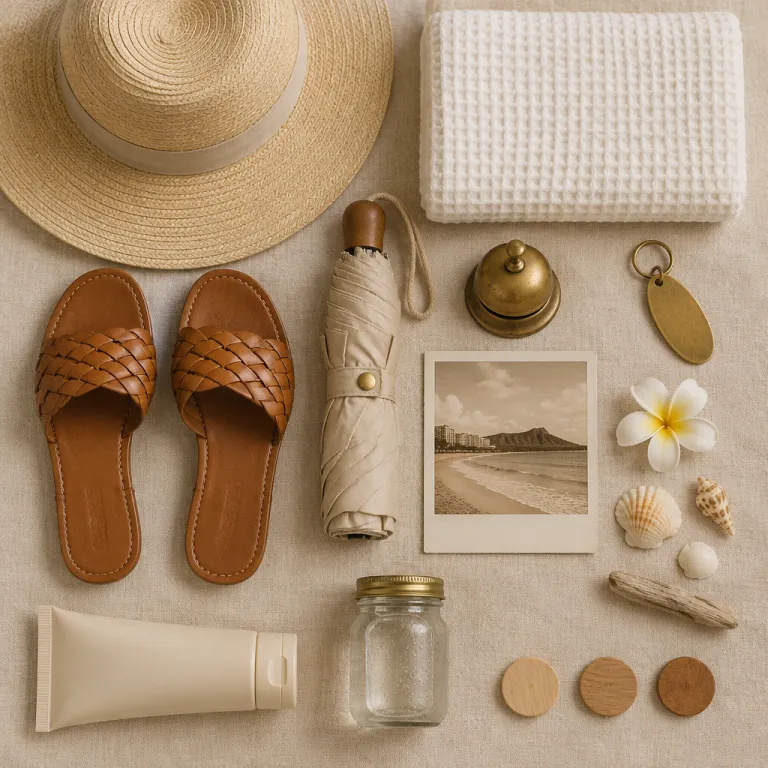
How the best time to visit Honolulu shapes your Waikiki hotel stay
The best time to visit Honolulu is the moment when weather, crowds, and hotel rates align with your priorities. For many travellers planning a Hawaiʻi vacation focused on Waikiki Beach, that sweet spot often falls in the shoulder months of April to June and again from September to early November. During these periods, daytime temperatures stay warm enough for swimming while the atmosphere along the sand feels more relaxed.
Honolulu sits on the island of Oʻahu, so its tropical climate is gentler than some expect, with relatively stable temperatures and only modest shifts between summer months and winter months. That means you can visit Hawaiʻi and specifically visit Oʻahu at almost any time and still enjoy outdoor activities such as surfing lessons, catamaran sails, and sunset walks along the north shore. The real art in choosing when to go to Honolulu lies in matching your preferred season in Hawaiʻi with the character of the iconic Waikiki hotels that line Kalākaua Avenue, from historic grande dames like Moana Surfrider to modern high-rise resorts such as Hilton Hawaiian Village and Sheraton Waikiki.
Peak travel season on Oʻahu runs from December through March, when many visitors escape colder climates and seek the soft sand of Waikiki Beach. This is a great time for travellers who value lively hotel pools, full events calendars, and a festive atmosphere in the resort bars. However, if you want quieter lobbies, easier restaurant reservations, and more attentive service at the big oceanfront properties, a different time to visit in the shoulder periods may suit you better and often brings more flexible nightly rates.
Weather, seasons, and how they affect Waikiki beachfront hotels
Honolulu’s tropical weather is remarkably consistent, with average daytime temperatures hovering around 27–31 °C along the coast. According to long-term climate normals from the U.S. National Weather Service Honolulu office (based on 1991–2020 data for Daniel K. Inouye International Airport), the average high temperature in July is about 31 °C (88 °F), which means that even in the height of summer the sea breeze keeps Waikiki’s promenades comfortable for evening strolls. Because the climate is so stable, the best time to visit Honolulu is less about avoiding cold and more about choosing your preferred season in Hawaiʻi for sunshine versus showers.
Locals often describe a drier summer season and a slightly wetter winter season, though the rainy season in Honolulu usually brings brief showers rather than all-day storms. From June through August, the summer months deliver long, bright days that are ideal for outdoor activities such as stand up paddling, snorkelling trips to the south shore, and rooftop pool time at the big hotels facing the Pacific. During these months, daytime temperatures and sea conditions are perfect for families who want predictable beach time and easy walks between their rooms and the sand.
In contrast, the period from November to March is sometimes called the winter months, when passing showers are more common and the north shore of Oʻahu sees its legendary big surf. This is still a great time to visit Oʻahu if you enjoy dramatic waves, cultural events, and cooler evenings for dining on hotel terraces. Waikiki hotels remain sheltered from the largest swells, so swimming conditions usually stay calm even while the island’s north shore hosts world class competitions such as the Vans Triple Crown of Surfing.
Balancing crowds, prices, and events at Waikiki’s most iconic hotels
For travellers focused on value, the best time to visit Honolulu often coincides with the shoulder season when hotel prices soften. Data compiled by Tripbase from major booking platforms indicates that average nightly rates in Honolulu can be around 20 % lower in the shoulder seasons compared with peak holiday periods, which can translate into significant savings on multi night stays in large oceanfront properties. In practical terms, a standard room at a mid-range Waikiki hotel that might run US$350–450 per night in January can drop closer to US$250–350 in May or October, while luxury resorts that peak above US$700 can sometimes be found in the US$500–600 range. When you plan your visit carefully, you can often upgrade to a better room category or secure club lounge access for the same budget.
Peak demand at the big Waikiki hotels usually appears in December and again around major events and school holidays, when occupancy surges and flexible rates climb. Visitor statistics from the Hawaiʻi Tourism Authority, which publishes monthly arrival figures for Oʻahu, show that arrivals are consistently higher in winter and during summer school breaks, pushing up demand for popular resorts. If you are considering a Hawaiʻi vacation that includes both Oʻahu and the Island of Hawaiʻi, booking your Honolulu stay first during a quieter season can help you enjoy calmer lobbies and shorter waits at check in.
Events and festivals also shape the best time to visit Honolulu, especially for guests who want culture alongside beach time. The city hosts parades, hula performances, and food festivals throughout the year, many of which take place within walking distance of the major hotels that frame Waikiki Beach. Signature events such as the Honolulu Festival in March and the Aloha Festivals Floral Parade in September bring music and dance to Kalākaua Avenue, so when you align your visit with a favourite festival, you gain both memorable experiences and the convenience of returning to your room within minutes after the last performance.
Month by month: what hotel guests can expect from January to December
From the perspective of a hotel guest, each month in Honolulu brings a slightly different rhythm to Waikiki’s shoreline. In Hawaiʻi January often feels festive yet less frantic than late December, with warm daytime temperatures and a pleasant mix of families and couples in the lobby lounges. This can be a great time for travellers who enjoy cooler evenings on their lanai while still swimming comfortably in the hotel pools.
By April, the atmosphere shifts as the winter holiday rush fades and one of the best times to visit Honolulu for value seekers begins. April to June typically offers clear mornings, light trade winds, and fewer crowds on the sand in front of the big hotels, which makes it easier to secure front row loungers without waking at dawn. Many repeat guests consider this period ideal because they can visit Oʻahu, enjoy outdoor activities, and still find last minute restaurant reservations within the resort complexes.
August and the broader summer months bring school holidays, which means more families in the elevators and busier breakfast buffets. If you enjoy a lively pool scene and extended daylight for outdoor dining, this can still be a great time to stay in Waikiki despite higher rates. Later in the calendar, November and December often combine lingering warmth with early festive decorations in the hotel lobbies, creating a relaxed yet celebratory mood and signalling the start of the peak season.
Hurricane season, rainy season, and how they really feel from your hotel
Many travellers worry about hurricane season when choosing the best time to visit Honolulu, but the reality on the ground is usually calmer than the headlines. The official hurricane season in the central Pacific spans several months, from June through November as defined by the Central Pacific Hurricane Center, yet direct impacts on Oʻahu remain rare and hotels are well prepared with contingency plans. From a guest perspective, this time of year often feels like any other, with perhaps a few more clouds and the occasional breezy afternoon.
The so called rainy season in Honolulu typically runs through the winter months, bringing short showers that often pass quickly over Waikiki’s high rise skyline. These brief bursts of rain can actually create a pleasant rhythm for hotel guests, with spa visits, shopping, or afternoon tea in the lobby filling the gaps between outdoor activities. Because the island’s microclimates vary, it is common to leave a shaded hotel pool in Waikiki and find bright sunshine only a short drive away on another part of the island.
When you plan your Hawaiʻi vacation, it helps to remember that this is a genuinely tropical environment where greenery depends on regular rainfall. Even during the wetter season, daytime temperatures remain warm enough for swimming, and most outdoor hotel events proceed as scheduled with only minor adjustments. For many visitors, the interplay of sun and showers becomes part of the charm of staying in a big oceanfront hotel on Oʻahu.
Choosing your Waikiki hotel by season, from Waikiki Beach to the north shore
Once you understand the best time to visit Honolulu for your preferences, the next step is matching that season with the right hotel setting. Travellers who prioritise easy access to shopping, dining, and cultural events often choose large properties directly on Waikiki Beach, where the city’s energy is most concentrated. These hotels shine during the drier months from April to June, when outdoor activities such as beachfront yoga, evening torch lighting ceremonies, and weekly hula shows in areas like Kuhio Beach Park run almost every day.
Guests who dream of watching big surf on the north shore might time their plans for the heart of the winter months, then split their Hawaiʻi vacation between Waikiki and a quieter resort area. In this scenario, Honolulu becomes the base for museums, fine dining, and harbour cruises, while the north shore offers a contrasting experience of rugged coastline and world famous waves. Because Oʻahu is a relatively small island, you can easily visit different coasts on day trips while still enjoying the full service amenities of a major Waikiki hotel.
For travellers combining Oʻahu with the Big Island, the best time to visit can also depend on inter island flight schedules and personal interests. Some guests prefer to start on the Island of Hawaiʻi for volcano landscapes and then finish in Honolulu, enjoying the city’s restaurants and shopping before flying home. Others reverse the order, using a few quiet days on another island to unwind after the bright lights and busy lobbies of the big Waikiki hotels.
Key figures to help time your Honolulu hotel booking
- Average high temperature in July reaches about 31 °C along Waikiki, according to U.S. National Weather Service Honolulu climate data for Daniel K. Inouye International Airport (1991–2020 normals), which keeps hotel pools and the sea comfortably warm for long swims.
- Tripbase data, based on aggregated comparisons from major booking sites, shows that hotel prices in Honolulu can drop by roughly 20 % during shoulder seasons such as April to June and September to November compared with peak holiday periods.
- Peak tourist season in Honolulu generally runs from December to March, when occupancy at major Waikiki hotels is highest and flexible rates tend to rise, as reflected in Hawaiʻi Tourism Authority monthly visitor statistics for Oʻahu.
- Shoulder periods around April and early June often provide a great time for combining lower rates with stable daytime temperatures and fewer crowds on the sand.
FAQ about the best time to visit Honolulu for hotel stays
What is the peak tourist season in Honolulu for hotels ?
December to March is considered the peak tourist season, when major Waikiki hotels report their highest occupancy and rates. Travellers who enjoy a lively atmosphere and full events calendars often choose this time of year despite higher prices. Those seeking quieter stays may prefer the shoulder months instead.
When are hotel prices usually lower in Honolulu ?
Hotel prices are typically lower during the shoulder seasons from April to June and again from September to November. During these months, you often find better value on ocean view rooms and suites at large Waikiki properties. This period is frequently regarded as the best time to visit Honolulu for budget conscious guests.
How does the weather affect outdoor activities from Waikiki hotels ?
Honolulu’s tropical weather keeps daytime temperatures warm enough for swimming and beach time throughout the year. Summer months such as June, July, and August usually bring drier conditions, which favour outdoor activities like surfing lessons, catamaran cruises, and hiking excursions. In the slightly wetter winter months, brief showers may shift plans but rarely cancel them entirely.
Is November a good month for a Hawaiʻi vacation in Honolulu ?
November can be a great time to visit Oʻahu, especially in the first half of the month before major holiday peaks. Daytime temperatures remain warm, and many Waikiki hotels offer attractive packages ahead of the November–December festive period. You may also find fewer crowds on the beach and easier restaurant reservations.
Should I worry about hurricane season when booking a Waikiki hotel ?
While hurricane season exists in the central Pacific, direct impacts on Honolulu are uncommon and hotels maintain robust preparedness plans. Most visitors during this season experience typical tropical conditions with occasional windy or rainy days rather than severe storms. Monitoring forecasts before you travel and choosing flexible booking terms usually provides sufficient peace of mind.
Sources
Tripbase (hotel price comparisons, accessed 2024) ; Hawaiʻi Tourism Authority (monthly visitor statistics for Oʻahu, 2023–2024) ; U.S. National Weather Service Honolulu (1991–2020 climate normals for Daniel K. Inouye International Airport) ; Central Pacific Hurricane Center (official hurricane season dates for the central Pacific)