Honolulu billboards and what their absence means for your hotel view
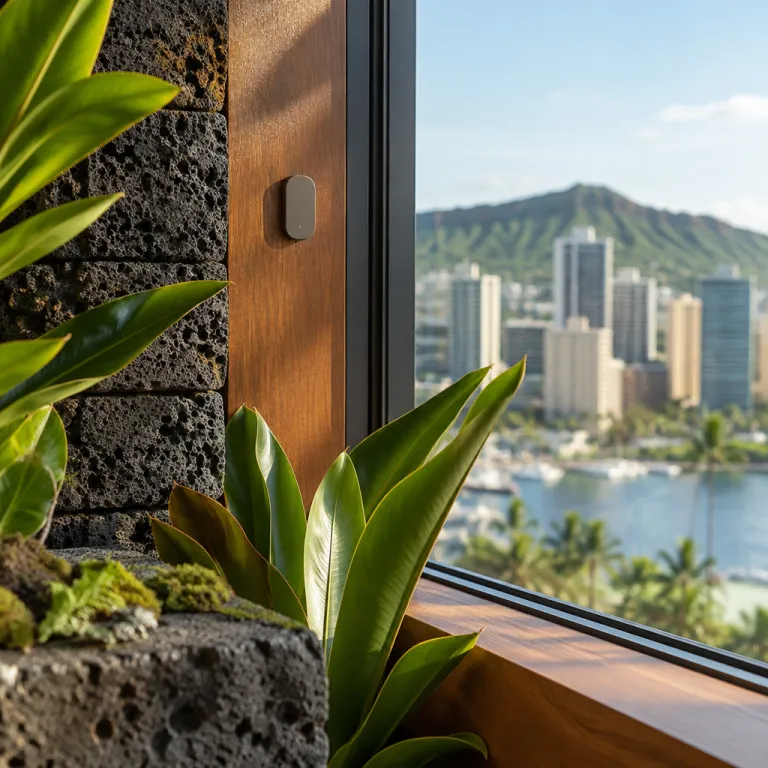
Honolulu is famous for what you will not see from your hotel balcony. While many cities lean on outdoor billboards for advertising, the State of Hawaii has enforced a statewide ban on off-premise billboard advertising for nearly a century under Hawaii Revised Statutes §445-111 to §445-121. That means your first panoramic view of Honolulu, from Waikiki to Diamond Head, is refreshingly free from roadside billboards and cluttered media panels.
This legal framework is not symbolic; the State of Hawaii Department of Transportation (HDOT) actively enforces the prohibition on traditional billboard structures along highways and in urban corridors. As a guest choosing between Honolulu hotel options, you benefit directly because properties compete on unspoiled views rather than proximity to giant ads or a glowing digital billboard. When you check availability, pay attention to how hotels describe their outlook over the city, the ocean, or Diamond Head, because the absence of billboards across Honolulu makes those sightlines a genuine differentiator.
For travelers used to dense outdoor advertising, the quiet skyline can feel almost surreal. You will still encounter media advertising, but it appears in more discreet formats such as in mall interiors or at the airport, rather than looming digital screens above the road. As HDOT has noted in public guidance, the goal is to “protect the natural beauty of Hawaii’s scenic vistas” while still allowing on-site business signs. This policy helps hotels market themselves as sanctuaries where the price you pay includes not only a room and digital amenities, but also a rare, billboard-free urban landscape in the islands.
From roadside billboards to subtle media : where ads actually appear in Honolulu
Because roadside billboards are banned, visitors often wonder where brands run campaigns in Honolulu. The answer matters when you choose a hotel, since your exposure to ads, political messages, and tourism marketing will shape how the city feels during your stay. Instead of towering billboards, you will notice more subtle outdoor advertising formats located in transit shelters, shopping centres, and the Honolulu airport terminals.
At Daniel K. Inouye International Airport, which handled roughly 19–21 million passengers annually in the years before the pandemic according to State of Hawaii traffic statistics, digital billboards and static digital panels are concentrated inside concourses and arrival halls. These digital screens promote local restaurants, cultural events, and sometimes political campaigns, but they remain contained within the airport rather than spilling into the skyline. If you book a hotel near the airport or in Pearl City, you will likely see more indoor media and fewer exterior ads, which can be appealing if you prefer a calmer arrival experience after a long flight.
In town, advertising for Honolulu brands often relies on interior mall media at Ala Moana Center, one of the largest open-air shopping complexes in the world. Here, digital billboards and static digital displays are integrated into retail corridors, so you can browse shops, check restaurant options, and compare price points without ever facing a traditional roadside billboard. Hotels located near Ala Moana benefit from this concentrated media environment, because guests can engage with targeted campaigns and check availability for tours or events while keeping their hotel surroundings visually serene.
Digital check in, smart rooms, and the evolution of media inside Honolulu hotels
With outdoor billboards restricted, many Honolulu hotels have shifted their marketing energy into digital channels and in-house media. When you use digital check in systems or mobile keys, you are stepping into a carefully designed environment where the hotel controls every screen, message, and campaign you see. This internal media advertising allows properties to reach market segments such as families, honeymooners, and business travellers without relying on billboard advertising outside.
Smart rooms now function as personalised media hubs, replacing the role that roadside billboards once played in directing visitor attention. On your television or tablet, you might see curated ads for local experiences, from hikes near Diamond Head to dining at Ala Moana, all tailored to your profile and stay dates. Because these campaigns are digital rather than outdoor, hotels can adjust availability messages, check in times, and even late check out offers in real time, which is far more cost effective than printing a static poster or renting a digital panel on the mainland.
This shift also influences how hotels participate in political and community conversations. Instead of sponsoring billboards Honolulu residents would oppose, properties may run informational campaigns on in-room screens about environmental initiatives or local cultural events. The Outdoor Circle, a long-standing advocacy group, often reminds visitors that “Hawaii chose trees over billboards,” and many hotels echo that message in sustainability content. As a guest, you gain a quieter cityscape while still receiving relevant information, and you can check availability for activities or restaurant reservations directly through your smart room interface without being bombarded by outdoor advertising in the streets.
Choosing your neighbourhood : views, transit ads, and Honolulu options for every traveller
Where you stay in Honolulu shapes how you experience both scenery and advertising. Waikiki hotels prioritise ocean views and sightlines to Diamond Head, taking full advantage of the absence of towering billboards that might otherwise block the horizon. When you check availability in this area, compare room descriptions carefully, because even a small difference in floor level or orientation can change your view dramatically in a city that protects its skyline.
Closer to downtown and the emerging rail corridor, the conversation about media is evolving. The Honolulu City Council has considered Bill 59 (2022), which would allow exterior ads on TheBus and the Skyline rail system, introducing a new form of outdoor advertising without overturning the statewide ban on off-premise billboards. If these transit campaigns expand, hotels located near major stations could offer guests easy access to transport while exposing them to a curated layer of media advertising that remains far less intrusive than traditional roadside billboards.
Neighbourhoods such as Pearl City and the stadium district may eventually host more digital signage within tightly regulated zones, especially around sports venues and transit hubs. For now, proposals like SB 2353 in the Hawaii State Legislature focus on allowing digital signs in specific areas while preserving the broader billboard advertising ban that protects scenic corridors. When you evaluate Honolulu options, consider whether you prefer the lively energy of areas with more digital media or the quieter ambience of zones where outdoor advertising remains minimal and the price of your stay buys maximum visual calm.
How the billboard ban protects your skyline and hotel experience
Hawaii’s long-standing prohibition on billboards is not just a legal curiosity; it is a daily reality that shapes every hotel stay in the islands. The Outdoor Circle, a local advocacy group, has defended this policy since the early twentieth century, arguing that unbroken views are essential to both residents and visitors. Their stance aligns with the State of Hawaii DOT, which enforces the rules so that no rogue billboard or digital display suddenly appears outside your hotel window.
The impact is clear in neighbourhoods where mountains, ocean, and city lights remain the primary visual media. Without towering billboards across Honolulu, hotels can market themselves on authentic attributes such as architecture, service, and proximity to natural landmarks instead of proximity to high-traffic advertising corridors. When you compare price ranges and check availability, you are effectively choosing between different types of view rather than different levels of exposure to outdoor advertising clutter.
Public debate continues around limited exceptions, especially for transit exteriors and stadium districts where digital billboards could generate revenue. Yet even these proposals emphasise strict controls, ensuring that any new media advertising remains contained and does not undermine the broader campaign to protect scenic quality. For travellers, this means you can enjoy modern digital conveniences inside your hotel while the city outside stays largely free from digital distractions, a balance that few urban destinations manage to achieve.
Smart planning for your stay : marketing messages, food festivals, and where to look for ads
Understanding how advertising in Honolulu operates will help you plan a smoother, more enjoyable stay. Since you will not be guided by roadside billboards, rely instead on hotel apps, digital concierge services, and curated media inside lobbies to find experiences that match your interests. Many properties run their own campaigns highlighting local restaurants, cultural events, and seasonal festivals, turning in-house screens into a targeted marketing channel rather than renting external billboard advertising space.
One example is how hotels promote major culinary events such as the Hawaii Food and Wine Festival on Oʻahu, often linking directly from in-room tablets to detailed guides where you can explore the November lineup and book tastings. By using these digital tools, you can check availability for events, compare price tiers, and secure reservations without ever needing a physical billboard to prompt you. This approach is especially cost effective for hotels, because they can adjust campaigns quickly based on occupancy data and guest preferences instead of committing to long-term outdoor advertising contracts.
When you walk through Ala Moana or other shopping areas, pay attention to how brands use indoor digital billboards and static digital panels to reach market segments such as Japanese visitors, cruise passengers, or business travellers. These campaigns are carefully tuned to a specific target audience, often in multiple languages, and they complement rather than compete with the calm skyline you enjoy from your room. By recognising where media is located and how it functions, you can navigate Honolulu options with confidence, choosing a hotel that balances smart digital engagement with the timeless appeal of a billboard-free horizon.
Key figures and facts about Honolulu’s billboard free landscape
- Hawaii has enforced a statewide ban on off-premise billboards since 1927, now codified in HRS §445-111 to §445-121, making it one of only four U.S. states with such strict outdoor advertising controls, which directly preserves hotel views across Honolulu.
- Daniel K. Inouye International Airport in Honolulu handled around 20 million passengers per year in recent pre-pandemic years, concentrating much of the city’s digital billboard and media advertising inventory inside terminals rather than along highways.
- Honolulu’s legal framework channels most outdoor advertising into on-site business signs, transit interiors, malls, and airports, meaning visitors encounter far fewer roadside billboards than in comparable U.S. cities.
- Current legislative proposals such as Honolulu City Council Bill 59 and Hawaii Senate Bill 2353 focus on limited transit and stadium zone media, aiming to raise revenue while maintaining the broader ban that protects scenic corridors important to tourism.
FAQ : Honolulu billboards, hotel views, and digital experiences
Are traditional billboards legal in Honolulu ?
Are traditional billboards legal in Honolulu? No. State law has banned off-premise billboards since 1927 through HRS §445-111 and related sections. For hotel guests, this means you will not see towering billboard structures along highways or outside your room, preserving cleaner views of the city and coastline.
Where will I actually see advertising during my stay ?
Most advertising appears in indoor environments such as the airport, shopping centres like Ala Moana, and the interiors of buses or rail cars. You may also encounter limited on-site business signs and carefully regulated outdoor media in specific districts. This keeps the broader skyline free from roadside billboards while still giving you access to useful information about tours, dining, and events.
Could new digital billboards change the look of Honolulu ?
Current proposals focus on allowing digital signs on transit exteriors and in the stadium district, not on overturning the statewide ban on off-premise billboards. Any new digital billboard installations would be tightly controlled in location, size, and brightness under city and state rules. As a result, the overall visual character of Honolulu, especially in key visitor areas, is expected to remain largely billboard free.
How does the billboard ban affect hotel prices and marketing ?
Hotels cannot rely on giant outdoor advertising across Honolulu, so they invest more in digital marketing, partnerships, and guest experience to attract bookings. This competition often benefits travellers through better online offers, clearer information, and enhanced digital check in tools. Room prices still reflect location, amenities, and season, but not the cost of renting expensive billboard advertising along major roads.
What should I check before booking a hotel in Honolulu ?
When you check availability, review room descriptions for view type, proximity to the beach or Diamond Head, and access to transit. Look for details about digital services such as mobile check in, smart room controls, and in-house media that can help you plan activities. Since roadside billboards will not guide you, a hotel with strong digital concierge tools can make navigating Honolulu significantly easier.
Sources and further reading
- State of Hawaii Department of Transportation – information on outdoor advertising regulations and enforcement, including references to HRS §445-111 to §445-121.
- Honolulu City Council – public records on Bill 59 and signage proposals in transit and stadium districts, including committee reports and draft bill text.
- The Outdoor Circle – historical background on Hawaii’s billboard ban, advocacy materials, and commentary on scenic preservation efforts statewide.