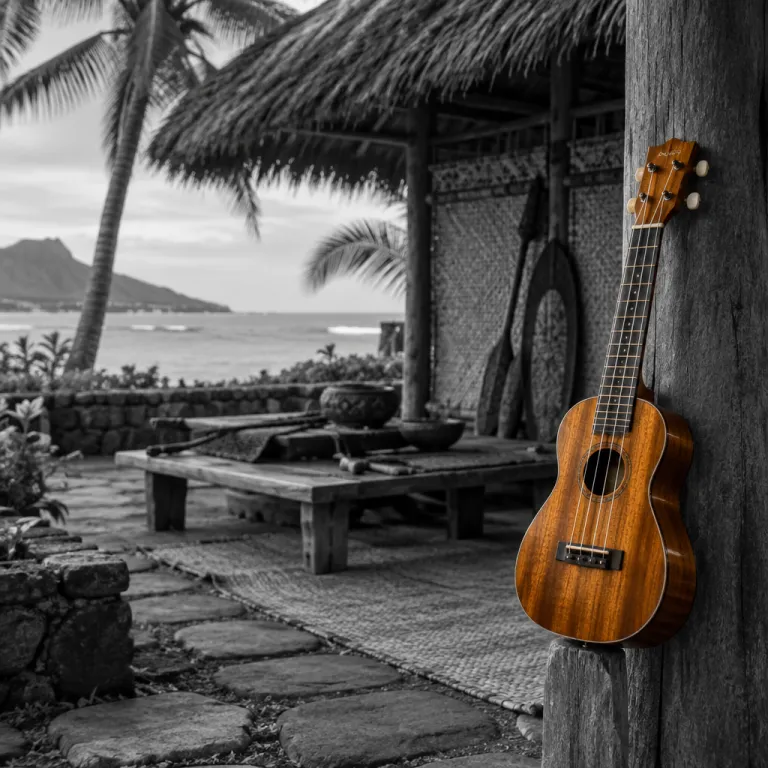
Honolulu cultural attractions that shape where you stay
Honolulu in Hawaiʻi rewards hotel guests who plan around culture. When you choose a place to stay near key Honolulu cultural attractions, you turn every short walk into a deeper Hawaiian experience with real history and living traditions. This island city on Oʻahu blends urban energy with sacred landscapes, so your hotel location quietly decides which stories you meet first.
Many travellers focus only on a famous beach or a single trail and miss how close their hotel could be to museums, royal sites, and live performances. In Honolulu, Hawaiʻi, the best stays balance easy access to Waikiki Beach with quick routes to Iolani Palace, Bishop Museum, and the historic waterfront at Aloha Tower. When you map out the best things to see before booking, you transform a simple day in the sun into a cultural journey that follows the island’s own rhythm.
Think about how you like to move through a city and an island. If you want to start each day with a sunrise walk on the beach and end it with Hawaiian music, a Waikiki hotel near the shoreline and the Honolulu Zoo keeps everything within a few hundred metres. If you care more about museums, history tours, and quieter neighbourhoods, staying closer to downtown Honolulu or Ala Moana shortens your travel time to Iolani Palace, Bishop Museum, and the harbour where Pearl Harbor stories begin.
Choosing a hotel around royal history and museums
For travellers who value history, few Honolulu cultural attractions are as powerful as Iolani Palace. This former royal residence in Honolulu, Hawaiʻi, sits in the civic heart of the city, and staying nearby lets you visit early in the day before the crowds build and the tropical heat settles in. Hotels in this area also place you close to the Hawaiʻi State Art Museum and the historic churches that frame the story of the Hawaiian monarchy.
From a cultural perspective, Iolani Palace is not just another museum but a living symbol of Hawaiian sovereignty and resilience. Guided tours here explain how the palace blended European influences with Hawaiian design, and how its halls witnessed both royal celebrations and political upheaval that still shapes things Honolulu residents discuss today. As of 2024, standard guided tours typically last 60–90 minutes, with most visitors spending about two hours on site, so planning at least half a day around this district gives you time for the grounds and nearby landmarks.
About 7 kilometres away, Bishop Museum offers one of the best collections of Polynesian cultural artefacts in the Pacific. In 2023 the museum reported welcoming hundreds of thousands of visitors, many of whom arrive from Waikiki by bus in roughly 30–40 minutes or by car in about 20 minutes, depending on traffic. Inside Bishop Museum you will find galleries that connect Hawaiian navigation, island geology, and everyday life, turning abstract history into a vivid, family friendly experience that can easily fill three to four hours.
Staying in Waikiki for beaches, zoos, and evening culture
Waikiki remains the most popular base for visitors who want both a famous beach and quick access to many Honolulu cultural attractions. Hotels along Waikiki Beach put you within walking distance of the Honolulu Zoo, the Waikiki Aquarium, and nightly Hawaiian music in hotel courtyards and beachside bars. This area can feel busy, yet it is one of the best things about staying here if you enjoy a lively promenade after a long day in the sun.
Families often choose Waikiki because it combines a gentle beach with family friendly attractions like the Honolulu Zoo and nearby beach park spaces where children can run safely. From many hotels you can stroll to Kapiʻolani Park in minutes, then continue on toward the base of Diamond Head for early morning views before the heat rises. When you return, you can spend the rest of the day between the pool, the sand, and casual cultural performances that introduce Hawaiian hula and music in an accessible way.
Waikiki is also a strategic base for evening cultural activities and live entertainment across Honolulu, Hawaiʻi. If you are curious about whether traditional Hawaiian feasts and shows fit your style, read this detailed guide on whether Honolulu lūʻaus are worth it when you are staying in Waikiki. Pair that with a look at a dedicated Honolulu nightlife guide for hotel guests, and you will see how a Waikiki stay lets you move easily between sunset cocktails, live music, and late night walks along the beach.
Iconic sites: Diamond Head, Pearl Harbor, and coastal viewpoints
Some of the most famous Honolulu cultural attractions sit just beyond the main hotel zones, yet your choice of base still matters. Diamond Head, known locally as Lēʻahi, rises above Waikiki and offers sweeping views of the city, the island, and the Pacific Ocean. Staying in Waikiki or near Ala Moana shortens the drive or bus ride to the Diamond Head trailhead, which is essential if you want to hike at sunrise and avoid the midday heat.
The Diamond Head trail is short but steep, with stairs and tunnels that reward you with some of the best views on Oʻahu. Most visitors take 60–90 minutes for the round trip, and since 2022 advance reservations have been required for non-resident hikers during peak hours, which makes an early start from a nearby hotel especially valuable. After your hike, you can return to your hotel for a late breakfast, then spend the rest of the day at a nearby beach park or exploring things Honolulu offers beyond the shoreline.
Pearl Harbor sits to the west of central Honolulu, and visiting this historic harbour requires more planning from any hotel. If you are staying in Waikiki or Ala Moana, allow at least half a day for the journey, security checks, and time at the museums and memorials. Many visitors join organised tours that include transport, which can be one of the best things for first timers who want context on Hawaiʻi’s role in global history without worrying about logistics.
Where to stay for Pearl Harbor and historic Honolulu
Travellers who prioritise Pearl Harbor and downtown history may prefer hotels closer to the airport or central Honolulu. These locations reduce travel time to the harbour, the Aloha Tower waterfront, and the civic district around Iolani Palace. You trade immediate beach access for easier days focused on museums, historic architecture, and harbour views that tell the story of Hawaiʻi as a crossroads in the Pacific.
From these hotels, you can still reach Waikiki Beach and Ala Moana by bus or taxi in under half an hour on most days. That flexibility lets you plan one day around Pearl Harbor, another around Bishop Museum, and a third around coastal walks and a sunset drink near Aloha Tower. For travellers who see culture and history as the core of their trip, this balance often feels more authentic than staying only in a resort zone.
Even if you stay in Waikiki, consider dedicating a full day to Pearl Harbor and the surrounding museums. The combination of naval history, memorials, and interpretive exhibits offers a sobering counterpoint to the relaxed beach atmosphere back at your hotel. Many visitors say this contrast deepens their appreciation of the island and the resilience of the people who call Hawaiʻi home.
Nightlife, live entertainment, and cultural evenings
Honolulu after dark offers more than bars and clubs, and your hotel choice shapes how easily you can enjoy that. Waikiki remains the centre of live music, with many hotels hosting Hawaiian performers in open air lounges that overlook the beach. Staying here means you can move between venues on foot, which is especially valuable if you want to enjoy a late show without worrying about transport.
Beyond Waikiki, the area around Ala Moana and Kakaʻako has grown into a hub for dining, galleries, and creative spaces that showcase contemporary island culture. Hotels in these neighbourhoods place you close to street art, performance venues, and restaurants where chefs reinterpret Hawaiian ingredients with global influences. If you are curious about how to balance where you stay with where you go out, this Honolulu nightlife guide for hotel guests explains which districts suit different evening styles.
Families or early risers may prefer quieter hotels slightly back from Waikiki Beach or closer to Ala Moana, where evenings feel calmer but cultural options remain close. From these bases you can still attend lūʻaus, concerts, or theatre performances, then return to a more peaceful room. Whatever your preference, remember that Honolulu cultural attractions do not end when the sun sets over the ocean.
Nature, trails, and sacred landscapes near the city
Honolulu sits between the ocean and the Koʻolau mountains, so many cultural experiences unfold on trails and in valleys rather than inside buildings. Manoa Falls, for example, offers a lush rainforest walk just a short drive from Waikiki or central Honolulu hotels. The trail itself is relatively gentle, yet it passes through landscapes that appear in Hawaiian legends and modern films, linking nature, story, and cinema in a single morning.
Choosing a hotel with easy access to the Manoa Valley bus routes or tour pickups can turn this waterfall into a simple half day outing. After the hike, you can return to your hotel, rinse off the mud, and still have time to visit a museum or beach park before sunset. This balance between outdoor activity and urban comfort is one of the best things about staying in Honolulu rather than in a more remote part of the island.
On the eastern side of Honolulu, the Koko Crater area offers a more demanding climb with dramatic views of the coastline and the wider island of Oʻahu. The famous Koko Crater trail, built on an old railway line, is steep and exposed, so it suits travellers who are comfortable with a challenging ascent. If you plan to attempt it, staying in a hotel with early breakfast options and easy highway access makes the day smoother and safer.
Coastal viewpoints and pillbox trails
Beyond the city core, several pillbox trails provide panoramic views that connect Honolulu, Hawaiʻi, with the broader island landscape. The most famous pillbox trail routes sit outside the main hotel zones, yet they are still reachable as a half day trip from Waikiki or Ala Moana. These hikes pass former military bunkers and offer sweeping views of the ocean, the reef, and the green ridges that define Oʻahu.
When planning your stay, consider whether you want to focus on urban Honolulu cultural attractions or include these more remote viewpoints. Hotels that partner with tour operators can simplify transport to pillbox trail starting points, Koko Crater, or Manoa Falls, especially if you prefer not to drive. This support matters because weather, trail conditions, and parking can change quickly on the island.
After a morning on the trail, many travellers enjoy returning to a hotel near a calm beach park for a swim and a rest. Waikiki Beach, Ala Moana Beach Park, and smaller coves along the south shore all offer gentle water where tired legs can recover. This rhythm of hike, swim, and evening culture is one of the most satisfying ways to experience both the natural and human sides of Honolulu.
North Shore day trips from Honolulu hotels
While Honolulu holds many cultural attractions, a day trip to the North Shore reveals another side of Oʻahu. From most Waikiki or Ala Moana hotels, you can reach the North Shore in about an hour by car, passing through green valleys and small towns. This coastline is famous for winter surf, yet it also hosts important cultural sites and relaxed beach communities.
Many visitors combine a North Shore day with a stop at Kualoa Ranch, which sits between Honolulu and the northern coast. Kualoa Ranch offers tours that blend film locations, Hawaiian history, and working ranch life, making it one of the most family friendly cultural experiences on the island. If you plan to visit, I highly recommend choosing a hotel that offers early breakfast and easy access to the main highway, so you can arrive before the busiest tours.
On the way back to Honolulu, some itineraries include a visit to a major cultural center that showcases Polynesian cultural traditions from across the Pacific. While this cultural center lies outside the city, it connects naturally with the stories you encounter at Bishop Museum and Iolani Palace. Returning to your hotel in Honolulu after such a day, you will see the city’s museums, beaches, and harbour with fresh eyes.
Beaches, beach parks, and waterfront culture
Honolulu’s shoreline is more varied than many first time visitors expect, and each stretch of sand supports different cultural experiences. Waikiki Beach remains the most iconic, with its long curve of sand, gentle waves, and backdrop of Diamond Head rising at the eastern end. Staying in a hotel directly on or just behind Waikiki Beach means you can step from your room to the water in minutes, which changes how you plan every day.
Yet some travellers prefer the calmer atmosphere of Ala Moana Beach Park, which sits between Waikiki and downtown Honolulu. Hotels near Ala Moana offer quick access to this wide, protected lagoon, where local families gather for weekend barbecues and evening swims. Spending time here gives you a more everyday view of life in Hawaiʻi, far from the most crowded parts of Waikiki.
Further along the coast, smaller beach park areas provide quieter spots for sunrise walks, stand up paddling, or simply watching the changing colours over the ocean. When choosing a hotel, look at walking distances not only to a single beach but to several beach parks, since each has its own character and typical crowd. This variety lets you match your mood each day, from lively surf lessons in Waikiki to reflective sunset moments near Aloha Tower or the harbour.
How hotel location shapes access to ocean activities
Ocean experiences are central to many Honolulu cultural attractions, from traditional outrigger canoe rides to modern snorkelling tours. Hotels in Waikiki and Ala Moana have the densest concentration of operators offering lessons, rentals, and guided excursions. If you want to maximise your time in the water, staying in these districts reduces the gap between your room and the starting point of each activity.
Snorkelling is a prime example of how location matters on Oʻahu. Some of the island’s best reefs lie outside Honolulu, yet many tours depart from the city’s main marinas or from Waikiki Beach itself. For a deeper look at how your base influences these options, consult this guide on how your Honolulu hotel choice shapes access to Oʻahu’s best snorkelling.
Even if you never leave the city, you can still connect with Hawaiian ocean culture by watching canoe races, joining a surf lesson, or simply observing how local families use the beach park spaces at different times of day. These small observations, repeated over several days, often teach more about island life than a single formal tour. When you combine them with visits to museums and historic sites, your stay in Honolulu becomes a layered experience rather than a simple beach holiday.
Waterfront landmarks and harbour culture
Beyond the open beaches, Honolulu’s harbour and waterfront districts hold their own cultural stories. Aloha Tower, once the tallest structure in Hawaiʻi, still stands as a landmark for ships entering the port and for visitors exploring the downtown waterfront. Hotels near this area offer a different perspective on the city, with views of working docks, cruise ships, and the changing light over the harbour.
Walking from Aloha Tower toward the historic core, you pass warehouses turned into restaurants, galleries, and performance spaces. This blend of old and new reflects how Honolulu continues to evolve while keeping one eye on its maritime history. For travellers who enjoy photography, the contrast between the harbour cranes, the tower, and the distant mountains creates some of the best views in the city.
Staying near the waterfront also makes it easier to join harbour cruises or evening sailing trips that show Honolulu’s skyline from the water. These outings complement daytime visits to Pearl Harbor and the museums by offering a more relaxed, contemporary view of the city’s relationship with the sea. Together, they round out your understanding of how this island capital lives between land and ocean every day.
Planning your days: practical tips for cultural depth
To make the most of Honolulu cultural attractions, think in terms of themed days rather than scattered stops. One day might focus on royal history, with Iolani Palace in the morning, Bishop Museum in the afternoon, and a sunset walk near Aloha Tower. Another day could centre on nature, combining an early hike up Diamond Head or the Koko Crater trail with a relaxed afternoon at Waikiki Beach or Ala Moana Beach Park.
Families often find it helpful to alternate active and quieter days to keep everyone engaged. For example, you might spend one day at the Honolulu Zoo and nearby beach park areas, then follow it with a slower day visiting museums or taking a gentle harbour cruise. This rhythm respects both the tropical climate and the attention spans of younger travellers, while still offering rich cultural experiences.
When planning, remember that traffic and weather can affect how long it takes to move between different parts of Honolulu and the wider island of Oʻahu. Booking a hotel with good public transport links or reliable tour pickups reduces stress and leaves more energy for the experiences themselves. It also makes it easier to adjust your plans if rain closes a trail or a special event appears at a museum or cultural center.
Balancing must see highlights with quieter moments
Many visitors arrive with a list of must see sites like Pearl Harbor, Diamond Head, and Waikiki Beach. These are important, yet some of the most memorable things Honolulu offers happen in smaller, quieter moments. Sitting in the shade at Ala Moana Beach Park, listening to a street musician near Aloha Tower, or watching a family ceremony at the water’s edge can all reveal the depth of Hawaiian culture.
To allow space for these moments, avoid scheduling every hour of your stay. Choose a hotel that feels comfortable enough for mid day breaks, especially if you are travelling with children or older relatives who will appreciate a rest between cultural outings. A central location near both a beach and a cluster of attractions makes it easier to return to your room without losing the rest of the day.
As you move through Honolulu, Hawaiʻi, pay attention to how locals use the same spaces you visit as a guest. Notice the early morning walkers on the beach, the families gathering at the park, and the students studying in museum courtyards. These observations, combined with formal tours and site visits, will give you a more complete sense of the island’s living culture.
Key statistics on Honolulu cultural travel
- The Hawaiʻi Tourism Authority reported that Oʻahu welcomed roughly 4.9 million visitors in 2022 and more than 5 million in 2023, and a significant share of them stayed in Honolulu, making hotel location a crucial factor in managing crowding at major cultural attractions.
- Visitor surveys from the Hawaiʻi Tourism Authority show that historical sites such as Pearl Harbor and Iolani Palace consistently rank among the top five reasons travellers choose Oʻahu, alongside beaches and scenery.
- Data from the City and County of Honolulu indicate that Waikiki accounts for the majority of hotel rooms on the island, which explains why Waikiki Beach, the Honolulu Zoo, and nearby cultural venues experience the highest daily visitor volumes.
- Studies cited by the Hawaiʻi Tourism Authority highlight that visitors who engage with museums, cultural centers, and guided history tours tend to spend more per day and report higher satisfaction with their Hawaiʻi experience.
- Transportation planning documents for Honolulu show that peak traffic toward Pearl Harbor and the airport corridor typically occurs in the early morning and late afternoon, which supports planning mid morning or early afternoon visits from central hotels.
FAQ about Honolulu cultural attractions and hotels
Which Honolulu neighbourhood is best for first time visitors interested in culture?
For most first time visitors, Waikiki offers the best balance between beach access and cultural experiences. You can walk to Waikiki Beach, the Honolulu Zoo, and evening performances, while still reaching Iolani Palace, Bishop Museum, and Pearl Harbor by tour or public transport. If you prefer a quieter base with quick access to both downtown and the shoreline, the Ala Moana area is an excellent alternative.
How many days should I plan to explore Honolulu cultural attractions?
Plan at least four full days in Honolulu if you want a comfortable mix of culture, nature, and relaxation. This allows one day for Pearl Harbor, one for Iolani Palace and Bishop Museum, one for Diamond Head or Manoa Falls, and one for beach time and the Honolulu Zoo. With more days, you can add a North Shore or Kualoa Ranch excursion without rushing.
Do I need a car to visit major cultural sites from my hotel?
You can visit many major Honolulu cultural attractions without a car, especially if you stay in Waikiki or Ala Moana. Public buses and organised tours connect these hotel zones with Pearl Harbor, Bishop Museum, and popular trails like Diamond Head. A rental car becomes more useful if you plan multiple trips to the North Shore, Kualoa Ranch, or remote pillbox trail locations.
Are Honolulu’s cultural attractions suitable for children?
Most key sites in Honolulu are very family friendly, including the Honolulu Zoo, Waikiki Aquarium, Bishop Museum, and many beach park areas. Pearl Harbor and Iolani Palace can also be meaningful for older children who are ready for more serious history. Combining these visits with time at Waikiki Beach or Ala Moana Beach Park keeps the overall experience enjoyable for younger travellers.
How should I dress for visiting cultural and historic sites in Honolulu?
Dress modestly and comfortably, especially when visiting places with deep historical or cultural significance such as Iolani Palace or certain memorials at Pearl Harbor. Lightweight clothing, covered shoulders, and respectful behaviour are appreciated, and closed shoes are recommended for trails like Diamond Head, Manoa Falls, or Koko Crater. Always carry water, sun protection, and a light layer for air conditioned museum interiors.