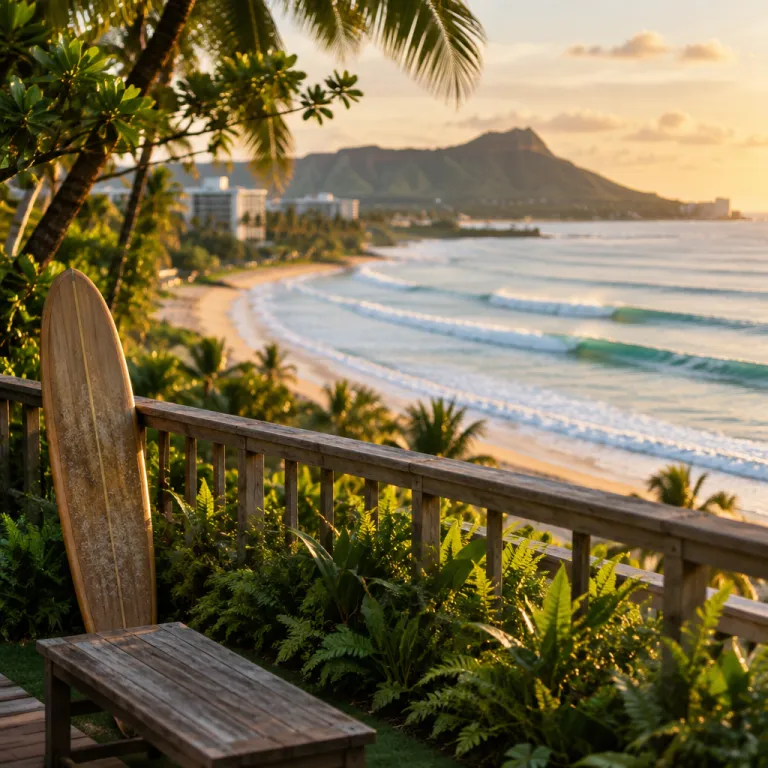
Understanding the best time to surf Honolulu around your hotel plans
The best time to surf Honolulu depends on how you sync incoming Pacific swells with your travel rhythm and hotel base. If you are booking a room in Waikiki or on the south shore of Oahu, you will want your dates to align with the most reliable south swells and the warm water that make surfing both accessible and elegant. Think of your stay as a tailored surf seasons calendar, where every time of year offers a different balance of waves, comfort, and crowd levels.
On the south shore, including the famous Waikiki Beach, the best time for long, rolling waves usually runs from late spring through early autumn, when south swells travel thousands of kilometres across the Pacific toward Hawaii. During this time the surf breaks along the south shore Oahu corridor feel forgiving for many skill levels, so beginners can book surf lessons near their hotel while experienced surfers glide from one classic break to another. If you prefer quieter lineups and softer waves, plan your surf sessions for early mornings when the trade winds are lighter and the beach is calmer.
Honolulu hotels along Waikiki place you within walking distance of several surf spots, which makes it easy to adapt to changing swell patterns. When a new pulse of energy arrives, you can step out from your lobby, cross the shore, and be in the water within minutes, adjusting your surfing schedule to the best time of day for your preferred tide and crowd level. This flexibility is especially valuable during shoulder periods between winter and summer, when both north and south swells can overlap and create varied surf north or south of the city.
Season by season: how Oahu swells shape your hotel choice
Honolulu sits at a strategic point on Oahu, between the powerful winter waves of the north shore and the gentler surf breaks of the south shore. During winter, the north shore Oahu coastline becomes the global stage for big wave surfing, while Waikiki and the south shore maintain smaller, more approachable waves for hotel guests. This contrast lets you choose whether your time of year in Hawaii focuses on watching elite surfers tackle heavy surf or enjoying relaxed sessions in front of your resort.
In winter, north west swells march toward the north shore and transform quiet beaches into world famous surf spots such as Waimea Bay, Sunset Beach, and the Banzai Pipeline. Many visitors book hotels in Honolulu for comfort and city convenience, then arrange curated island excursions that drive them to these north shore arenas for day trips, returning to the calm south shore Oahu evenings. If you are not ready for powerful big wave conditions, you can still experience the spectacle from the sand, then head back to Waikiki for mellow shore surf suited to your own skill level.
From late spring into autumn, the pattern reverses and south swells dominate, turning Waikiki and nearby beaches into the primary Hawaii surf playground. This is often the best time to surf Honolulu if you want consistent waves, warm water, and easy access to surf lessons directly from your hotel’s beachfront. To weave surfing into a broader stay, consider using a structured Honolulu itinerary from your hotel base, which can combine early surf sessions with cultural visits, dining, and scenic drives to quieter surf north or east coast spots.
To make timing more concrete, use a simple month-by-month guide as a starting point and then confirm details with current marine forecasts:
- November–February: Dominant north and north west swells on the north shore; average winter significant wave heights there often exceed 3–4 metres during major events, while the south shore stays smaller and more sheltered.
- March–April: Transition period with mixed north and south swells; trade winds can be moderate, so early mornings usually offer the cleanest surf near Honolulu hotels.
- May–August: Peak south swell season for Waikiki and the south shore, with long-period swells from the southern hemisphere and generally lighter winter-style north shore activity.
- September–October: Late-season south swells blend with the first north west pulses, giving flexible travellers options to chase waves on either side of the island.
Matching surf conditions with your skill level and hotel location
Choosing the best time to surf Honolulu starts with an honest look at your skill level and comfort in the ocean. Beginners and cautious intermediates usually thrive on the south shore, where many surf breaks near Waikiki Beach offer long, forgiving waves and sandy bottoms. Advanced surfers, by contrast, often time surf missions to the north shore or more exposed south shore Oahu reefs when swells are larger and more powerful.
If you are new to surfing, staying in a hotel directly on or near Waikiki gives you immediate access to surf lessons, soft boards, and instructors who understand local currents and trade winds. These professionals help you read the waves, choose the safest beach for the day, and understand when the swell direction makes a break more challenging than it appears from shore. Many hotels can arrange private or small group surf lessons at different times of day, so you can avoid the busiest crowds and focus on building confidence in warm water conditions.
Couples or families who want a refined balance between surfing and relaxation can look for oceanfront rooms that overlook key surf spots, turning each sunrise into a live surf report. When south swells arrive, you can watch surfers glide along the waves from your balcony, then step down to the beach for your own session at the best time for tides and wind. For those planning a special escape, pairing a surf focused stay with carefully chosen romantic things to do in Honolulu creates a stay where shared sessions in the lineup complement evenings of fine dining and sunset walks.
Curated island excursions: from Honolulu hotels to legendary surf north shore
Many travellers book hotels in Honolulu for comfort, then rely on curated island excursions to reach the legendary north shore surf. This approach lets you enjoy the city’s dining and cultural life while still experiencing the powerful waves and iconic surf spots that define Hawaii surf history. It also means you can choose the best time of day to travel, avoiding peak traffic while maximising your hours on the beach.
Specialised tour operators offer shore Oahu circuits that include stops at major north shore breaks, scenic lookouts, and local food trucks. During winter, these excursions often focus on watching big wave surfers at Waimea Bay or Pipeline, where north west swells create some of the most powerful waves on the planet. In calmer seasons, the same routes highlight gentler surf breaks and swimming beaches, giving you a broader sense of how surf seasons shift around the island.
From a practical perspective, curated tours help you navigate changing conditions, as guides monitor swell forecasts, trade winds, and tide charts to select the safest and most interesting shore surf locations. They can explain why one point break is firing while another nearby beach remains almost flat, and how the time of year influences each region of Oahu. For hotel guests who want depth without the stress of driving unfamiliar roads, these excursions provide a structured yet flexible way to experience both surfing north shore drama and the more relaxed south shore charm in a single day.
Aligning surf sessions with Honolulu nightlife and city comforts
Honolulu offers a rare combination of serious surfing and sophisticated city life, which matters when you are planning both your best time to surf Honolulu and your evenings out. Many surfers choose to stay in Waikiki because they can walk from their hotel to the beach at dawn, then return to enjoy cafés, shopping, and rooftop bars after sunset. This rhythm works especially well during south swells, when the most consistent waves break just offshore from the main resort district.
To make the most of your stay, think of your day in three parts, starting with early morning surf when the trade winds are typically lighter and the waves are cleaner. Midday can be reserved for rest, spa treatments, or curated island excursions, while late afternoon and evening open up the city’s dining and entertainment scene. If you want structured guidance on where to go after your surf sessions, a detailed Honolulu nightlife guide for hotel guests can help you match neighbourhoods and venues to your preferred atmosphere.
Because Honolulu’s climate keeps the water temperature comfortable throughout the year, you can plan surf sessions in any season without a wetsuit, focusing instead on timing your outings around swells and crowds. Some hotel concierges maintain relationships with local surf schools and board rental shops, allowing you to reserve equipment at the exact time surf conditions look best. This integration of ocean and city life means you never have to choose between a refined urban stay and access to quality surf spots on both the south shore and, via day trips, the north shore.
Practical tips for timing, safety, and hotel selection
When you are deciding on the best time to surf Honolulu, start by checking seasonal swell patterns and then refine your hotel dates accordingly. For south shore focused trips, choose months when south swells are most reliable, and look for properties within a short walk of the beach to minimise transit time. If your dream is to witness or photograph big wave surfing, plan a winter stay and arrange transport to the north shore while keeping your base in the city.
Safety should guide every decision, especially if you are unfamiliar with Hawaii surf conditions or the power of Pacific swells. Always match your sessions to your true skill level, and never paddle out at a new break without first watching the waves from shore and noting where surfers enter and exit the water. Local lifeguards post flags and warnings when shore surf becomes hazardous, and their advice should carry more weight than any forecast or online report.
Finally, consider how your hotel supports an active ocean lifestyle, from board storage to flexible breakfast hours that suit early dawn patrols. Some properties partner with surf schools to offer package rates that include surf lessons, equipment, and guided sessions at different surf spots around Oahu. By aligning your accommodation, your chosen time of year, and your preferred balance between north shore drama and south shore ease, you create a stay where every swell, every beach, and every point along the coast feels thoughtfully integrated into your Honolulu experience.
Key figures on Honolulu surf patterns and tourism
- According to the National Oceanic and Atmospheric Administration (NOAA), average winter significant wave heights on the north shore of Oahu often exceed 3 to 4 metres during major north west swells, while typical summer heights there drop below 1 metre, highlighting how strongly surf seasons shape where surfers focus their trips (see NOAA National Data Buoy Center and historical wave climatology summaries).
- Visitor statistics from the Hawaii Tourism Authority (HTA) indicate that Oahu receives several million arrivals per year, with a substantial share of hotel rooms concentrated in Waikiki, which underlines why south shore surf infrastructure, including lessons and rentals, is so developed around Honolulu hotels (see HTA Visitor Plant Inventory and annual visitor reports).
- Climatological records from the National Weather Service (NWS) and NOAA show that nearshore water temperatures around Honolulu usually range between 24 and 27 degrees Celsius, allowing most visitors to surf in warm water without full wetsuits throughout the year (refer to NWS Honolulu climate normals and NOAA coastal water temperature datasets).
- Traffic and transport studies from the City and County of Honolulu report that peak driving times to the north shore from Waikiki can exceed 90 minutes on busy days, which makes curated island excursions and early departures especially valuable for hotel guests planning surf north shore day trips (see city transportation planning documents and corridor travel time summaries).
FAQ about the best time to surf Honolulu
When is the best time of year to surf in Waikiki ?
The most consistent surf in Waikiki usually arrives from late spring through early autumn, when south swells are strongest. During this period, waves tend to be gentle and long, which suits beginners and intermediate surfers staying in nearby hotels. Early mornings often provide the cleanest conditions before trade winds increase.
Is winter only for expert surfers on Oahu ?
Winter brings powerful north west swells to the north shore, creating big wave conditions suitable only for highly experienced surfers. However, Honolulu and the south shore often remain manageable, with smaller waves that many visitors can enjoy safely. Hotel guests can watch expert surfing north shore while still finding accessible surf breaks closer to the city.
Do I need a wetsuit to surf in Honolulu ?
Most visitors do not need a full wetsuit because water temperatures around Honolulu generally stay between 24 and 27 degrees Celsius. Some surfers choose a thin top or shorty suit for extra sun protection or comfort during early morning sessions. Rash guards and reef safe sunscreen are usually more important than thermal insulation.
Can beginners take surf lessons directly from their hotel area ?
Yes, many hotels in Waikiki are within a short walk of surf schools that offer lessons for all skill levels. Instructors typically provide boards, safety briefings, and guidance on reading waves and currents. Booking lessons early in your stay helps you understand local conditions before exploring other surf spots on Oahu.
How can I combine surfing with other activities during my Honolulu stay ?
You can schedule dawn surf sessions, then use the rest of the day for cultural visits, shopping, or curated island excursions to the north shore and other scenic areas. Many hotels work with tour operators who understand both surf conditions and sightseeing priorities. This coordination lets you enjoy the best time to surf Honolulu without sacrificing dining, nightlife, or relaxation.