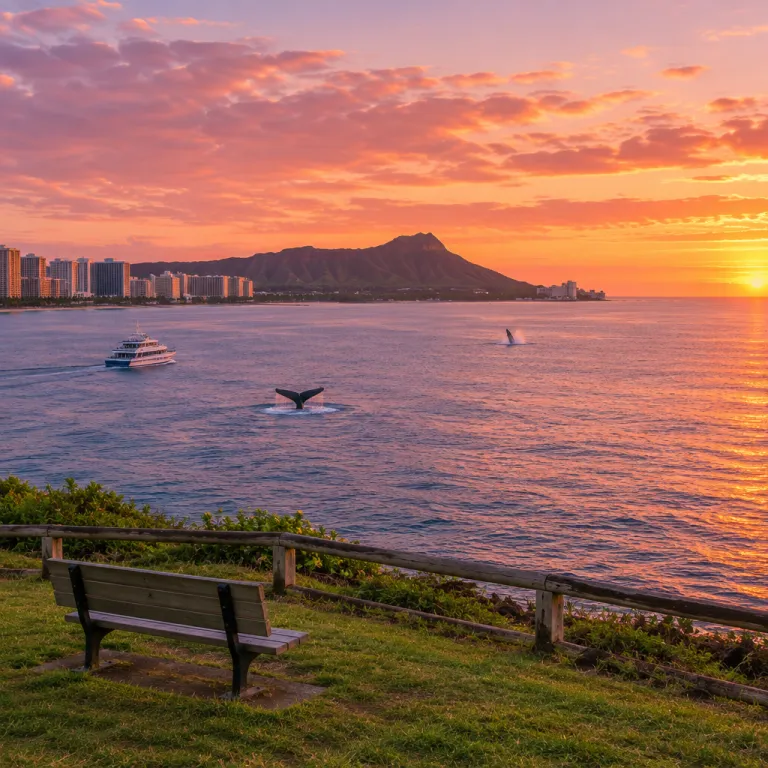
Understanding the Honolulu whale watching season for hotel planners
The Honolulu whale watching season quietly shapes how many travellers plan their stay. During this peak whale season, thousands of humpback whales migrate from Alaska to the warm waters of Hawaiʻi, turning the calm ocean off Oahu into a natural marine theatre. If you are choosing a hotel in Honolulu, aligning your dates with this migration offers the best time to combine city comfort with a powerful wildlife experience.
Locals and marine operators generally regard the main Honolulu whale watching season as running from roughly December to April, when sightings of humpback whales are most consistent across Oahu. While you may see a humpback whale earlier or later, the core winter months bring the highest density of whales Oahu wide, which means more frequent breaches, tail slaps, and mother–calf pairs visible from whale watching boats. For guests who want a quieter hotel atmosphere yet still reliable whale watching, the shoulder month at each end of this December–April window can be an elegant compromise.
Honolulu’s position on the south shore of Oahu gives visitors easy access to both urban comforts and whale watching tours that depart from nearby harbor areas. Many whale watch operators run a watching cruise from central locations such as Kewalo Basin or Honolulu Harbor, which keeps transfer times short and allows you to return to your hotel pool or spa before sunset. As one long-time concierge explains, “Guests who plan their whale watch first and then build the rest of the itinerary around it usually feel the most relaxed.” When you understand how the whale watching season overlaps with Honolulu’s broader tourism patterns, you can choose room categories, views, and even spa appointments that frame the ocean as part of your daily experience.
Weather, winter swells, and the best time to book your room
Choosing the best time for a Honolulu whale watching stay means balancing marine life, weather, and hotel pricing. The winter period that defines the Honolulu whale watching season also brings slightly cooler air, livelier north shore surf, and a softer quality of light at sunset that many guests find unforgettable. Because this same winter season is popular for both humpback whale watching and festive travel, ocean view rooms in central Honolulu often sell out several months in advance.
Within the December–April window, each month offers a slightly different character for visitors focused on whale watching. Early in the season, the first humpback whales arrive and watching tours may feel less crowded, while mid-season often delivers the highest number of whales Oahu wide, which can translate into more dramatic whale watch encounters. Late season stays sometimes reward patient guests with intimate views of mother and calf humpback whales resting in calmer water close to Oahu’s south shore.
Weather by month matters when you are deciding between a harbor side hotel near Kewalo Basin and a quieter property closer to the north shore. Before you lock in dates, review a detailed guide to Honolulu weather by month and how climate shapes your hotel stay, then match those patterns to your preferred whale watching tour style. Guests who prioritise smooth water for a watching cruise may favour calmer south shore conditions, while more adventurous travellers might split their stay between Honolulu and the north shore to experience both whales and legendary winter surf.
Where to stay in Honolulu for easy access to whale watching tours
Hotel location in Honolulu has a direct impact on how effortless your whale watching experience feels. Properties within a short transfer of Kewalo Basin or Honolulu Harbor allow you to step from your lobby onto whale watching boats in minutes, which is especially valuable for sunrise or late afternoon departures. Many guests choose a hotel that overlooks the harbor so they can watch tours depart while enjoying breakfast, then join their own watching tour later in the day.
When comparing hotels, look for concierges who work closely with reputable whale watching tours Oahu wide and can secure a specific type of whale watching cruise for you. Some travellers prefer a smaller watching tour with fewer guests and more personalised commentary on humpback whale behaviour, while others enjoy larger boats with spacious decks and stable rides in open water. If you are travelling with children or older relatives, ask your hotel to recommend the best whale watching tour that balances comfort, safety, and the likelihood of seeing active humpback whales.
Staying in central Honolulu also makes it easier to enjoy other curated island excursions without renting a car, from cultural evenings to guided hikes. For practical advice on buses, shuttles, and walking routes between your hotel, the harbor, and other attractions, consult a detailed guide on how to get around Honolulu without a car using tips from your hotel lobby. This kind of planning lets you focus on the ocean and the whales rather than on parking, traffic, or logistics between different tours Oahu wide.
Choosing the right whale watching tour style from Honolulu
Not all whale watching tours from Honolulu feel the same, so your hotel stay should reflect the style of experience you want. Some operators focus on a pure whale watch, heading straight into deeper water off Oahu to maximise time near humpback whales, while others combine whale watching with snorkelling or a scenic sunset cruise. Before booking, decide whether your priority is educational commentary, photography, or simply the emotional impact of seeing a humpback whale breach against the skyline of Honolulu.
Smaller boats often provide a more intimate watching tour, with naturalists able to answer detailed questions about whale behaviour, migration routes, and the broader marine ecosystem of Hawaiʻi. Larger vessels can offer more stability in choppy winter water, multiple viewing decks, and amenities such as shaded seating, which some guests appreciate during longer watching cruises in the open ocean. Your hotel concierge can usually explain which watching tours depart from Kewalo Basin, which leave from other harbor areas, and which are best for families, couples, or solo travellers.
Timing also shapes the mood of your whale watching experience, whether you choose a morning departure or a late afternoon trip that returns at sunset. Morning tours often benefit from calmer water and cooler air, while a sunset whale watching cruise can frame humpback whales against the glowing sky and city lights of Honolulu. If you are staying several nights, consider booking more than one whale watching tour so you can compare different times of day, different boats, and even different parts of Oahu, including occasional excursions towards the north shore when conditions allow.
Curated island excursions beyond whales for discerning hotel guests
While the Honolulu whale watching season may be the anchor of your trip, a thoughtfully planned itinerary will weave in other curated island excursions. Many high end hotels in Honolulu partner with specialist guides who design private tours Oahu wide, combining a morning whale watch with an afternoon visit to cultural sites, scenic lookouts, or quiet beaches. This approach allows you to experience the energy of the ocean and the tranquillity of inland valleys within the same day.
Some guests choose a customised tour that begins with a whale watching cruise from Kewalo Basin, followed by a drive along the windward coast and up towards the north shore for sunset. Others prefer a gentler pace, pairing a mid morning whale watch with a leisurely lunch near the harbor and a guided walk through historic districts of Honolulu. When your hotel concierge understands that the whale season is your priority, they can schedule other experiences around the best time for whale watching, ensuring you never feel rushed between water based and land based activities.
Evening options can be just as curated, from intimate cultural performances to refined dining that highlights local seafood and seasonal produce. If you are curious about traditional celebrations and how they fit into a modern stay in Waikiki, you can explore whether Honolulu luaus are worth it when you are staying in Waikiki and then balance that with a quieter night watching the harbor lights. By treating whale watching tours as the centrepiece and layering other excursions around them, you create a stay that feels both cohesive and deeply connected to Oahu’s culture and landscapes.
Practical tips for aligning hotel choices with the Honolulu whale watching season
Aligning your hotel booking with the Honolulu whale watching season requires attention to timing, room type, and on site services. Reserve early if you plan to travel during the busiest winter weeks, especially if you want an ocean facing room that lets you scan the water for distant whale blows between formal tours. Some guests even bring compact binoculars to use from their balcony, turning quiet mornings into informal whale watching sessions before heading to the harbor.
When comparing properties, ask specific questions about their relationships with whale watching operators and the flexibility of tour schedules. A hotel that can adjust your whale watch booking if weather changes, or that offers early breakfast options for morning departures, will make your overall experience smoother and more relaxed. If you are sensitive to motion on boats, consider shorter watching tours or larger vessels, and request advice from staff who have personally joined a whale watching cruise during the peak season.
Transport logistics also matter, especially if you are travelling with children or older relatives who may tire easily. Choose a hotel with reliable shuttle options to Kewalo Basin or other harbor points, or one that sits within a short taxi ride of the main departure piers for whale watching Oahu wide. By aligning your accommodation, your chosen month within the December–April window, and your preferred style of whale watch, you will experience the best whale encounters that Honolulu and Oahu can offer without sacrificing comfort or elegance.
Key figures about the Honolulu whale watching season
- Marine biologists estimate that around 10 000 to 12 000 humpback whales migrate to Hawaiʻi each winter, with a significant proportion visible around Oahu during the peak Honolulu whale watching season (based on summaries from the Hawaiian Islands Humpback Whale National Marine Sanctuary and National Oceanic and Atmospheric Administration reports on North Pacific humpback whale populations).
- Typical whale watching tours from Honolulu last between 2 and 3 hours, which allows operators enough time to reach productive offshore areas and still return guests comfortably to their hotels before midday or sunset (according to schedules published by major Honolulu tour companies such as Star of Honolulu, Atlantis Adventures, and smaller local operators).
- Regulations require whale watching boats in Hawaiʻi to keep a minimum distance of 90 metres from humpback whales, a rule designed to protect the animals while still allowing memorable viewing opportunities for visitors (as outlined in National Oceanic and Atmospheric Administration humpback whale approach guidelines for the Hawaiian Islands).
- Surveys of visitor satisfaction from the Hawaiʻi Tourism Authority consistently rank whale watching among the top nature based activities for winter travellers, often cited alongside beach relaxation and cultural experiences as a primary reason for choosing Oahu.
FAQ about planning a hotel stay around the Honolulu whale watching season
When is the most reliable period to see whales from Honolulu
The most reliable period to see whales from Honolulu runs from roughly December to April, when humpback whales gather in large numbers around the Hawaiian Islands. Sightings can occur slightly earlier or later, but this winter window offers the best time for consistent whale watching tours. If you want both good availability of tours and a calmer atmosphere in hotels, consider early or late in this December–April season.
Can I see whales from my hotel room in Honolulu
Some ocean facing rooms in Honolulu offer distant views of whales, especially during calm mornings when blows and breaches stand out against the horizon. However, these sightings are never guaranteed and usually less dramatic than what you experience on a dedicated whale watching cruise. For the highest chance of close encounters, combine an ocean view room with at least one professionally guided whale watch from a harbor near your hotel.
Is a morning or afternoon whale watching tour better
Morning whale watching tours often benefit from lighter winds and smoother water, which some guests find more comfortable. Afternoon or late day tours can offer warmer air and the possibility of returning at sunset, which creates beautiful light for photography around Honolulu. If your schedule allows, booking both a morning and an afternoon whale watch on different days lets you compare conditions and maximise your chances of seeing active whales.
Do I need to book whale watching tours before arriving in Honolulu
During the peak Honolulu whale watching season, advance reservations are strongly recommended, especially for smaller boats or premium watching tours. Many hotels can assist with bookings, but popular time slots and specific operators often sell out days or weeks ahead. Securing your preferred whale watching cruise before you travel ensures you can plan other excursions and dining reservations around those fixed times.
Are whale watching tours suitable for children and older travellers
Most whale watching tours from Honolulu welcome families and older travellers, but comfort levels vary by boat size, sea conditions, and tour length. Larger vessels with indoor seating and restrooms usually suit a wider range of ages, while smaller boats may feel more exposed in choppy winter water. When booking through your hotel, explain the needs of your group so staff can recommend the most appropriate whale watch operator and departure time.